The Quiet Rituals of the Frequent Flyer
From the 1926 Air Commerce Act to today's row 22K: a field guide to the invisible system frequent flyers build, and the buckle Fly-Belts brought down with them.
On May 1, 1981, American Airlines launched AAdvantage. It was the first program of its kind to be rolled out at scale, and it gave a name to a population that had existed for decades without one: the frequent flyer. Forty-five years later, that population has grown to several million people across the major carriers. None of them think of themselves as a culture. Watch them at an airport long enough, and the culture is obvious.
Behind the term, there's everyone who finds themselves in the same row, season after season: those who travel often for work, those who cross continents to see family, those who use a passport the way others use a Métro pass to explore the world. Different motivations, same week-after-week repetition. And that repetition produces the same thing in everyone: a private operating system, built up gesture by gesture around the simple act of getting on a plane.
The choreography of the security line
Watch one of them at security. Nothing is improvised. The laptop comes out of its sleeve before the bin even appears. The liquids pouch is already sitting on top of the cabin bag. The watch slips into the jacket pocket; the jacket is already folded over the arm. Shoes that come off without bending down. The whole sequence runs in under a minute, and ends with them standing two paces clear of the conveyor, hands already free.
It isn't a hack. Cognitive psychologists call it a behavioural chain: a string of small actions that, once practiced enough, fires off without conscious thought. Same mechanism as a pianist who stops seeing notes and starts hearing the music. At the airport, it lets a regular traveller read a meeting brief on the way through security.
The seat is a landmark, not a choice
Ask a regular where they sit, and they will not say window or aisle. They will give you a row. There are reasons. On a 737-800, row 14 sits in front of the engines but behind the wing root, so the view is usable and the noise drops. On an A350-900, row 22 sits at the widest point of the fuselage, where the curve of the wall gives you a few extra centimetres of shoulder room. The regular has run the geometry and made a call.
Sticking to the same seat is not superstition. Aviation human-factors specialists call it anchoring: a familiar cue that lowers the cognitive cost of being in a disorienting place. Pilots use the same principle when they pick up a checklist after an interruption. The brain works better when it doesn't have to re-learn the room.
What is actually in the bag
The cabin bag of a regular isn't heavier than a tourist's. It is denser. No full-size shampoo, no spare shoes, no novel that won't be opened. Instead, the same kit, described almost word for word by surveys: one change of clothes, a 30,000 mAh battery, noise-cancelling headphones, a phone cable in a small pouch that lives in the same outer pocket of the same bag on every single trip, and an empty water bottle that gets filled past security.
And one object that isn't strictly useful. A passport-sized book. A small notebook with grid paper. A film camera that takes three days to develop. That non-useful object is the tell. Everything else is a tool. This one is a tether to who you are when you're not the person in seat 22K.
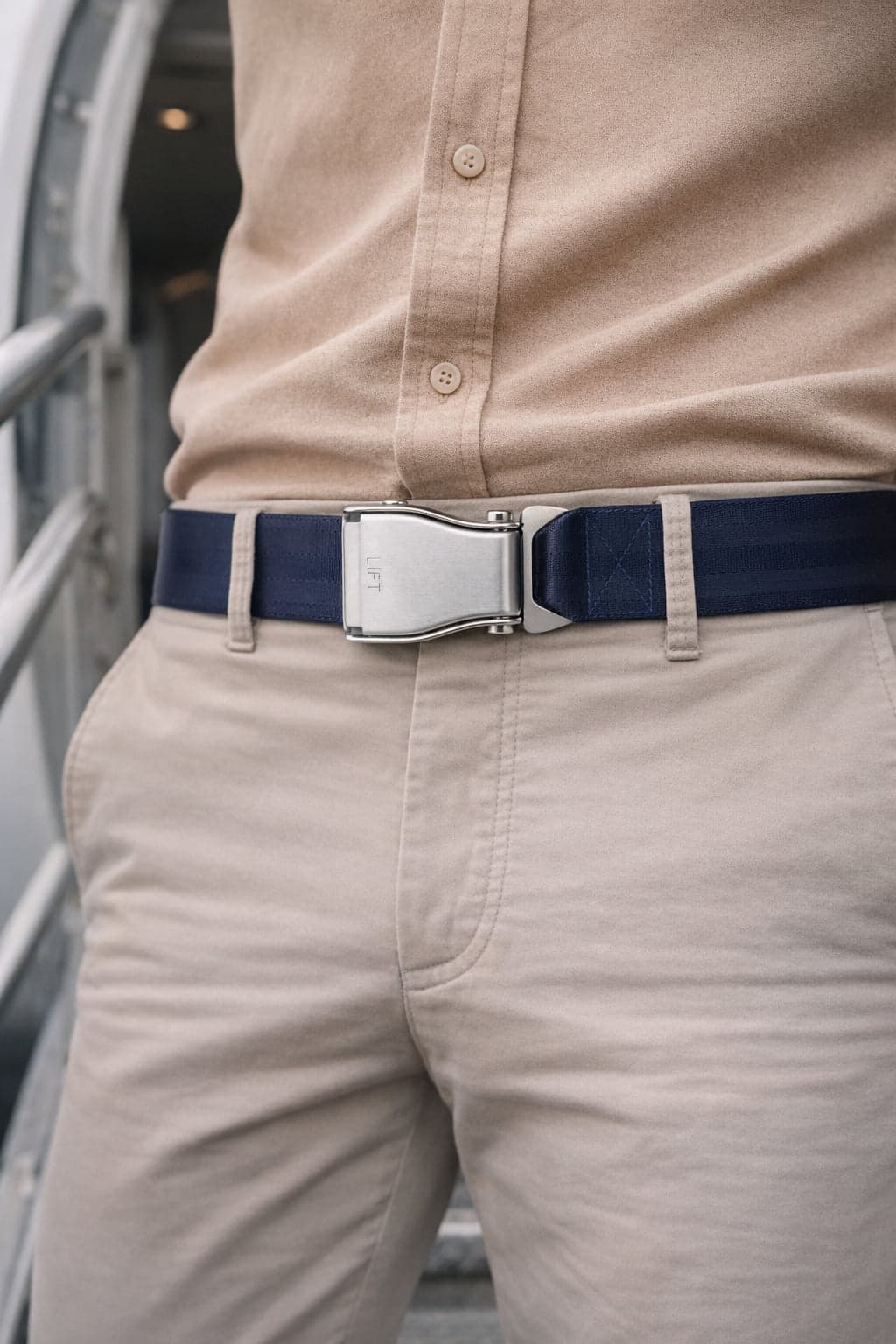
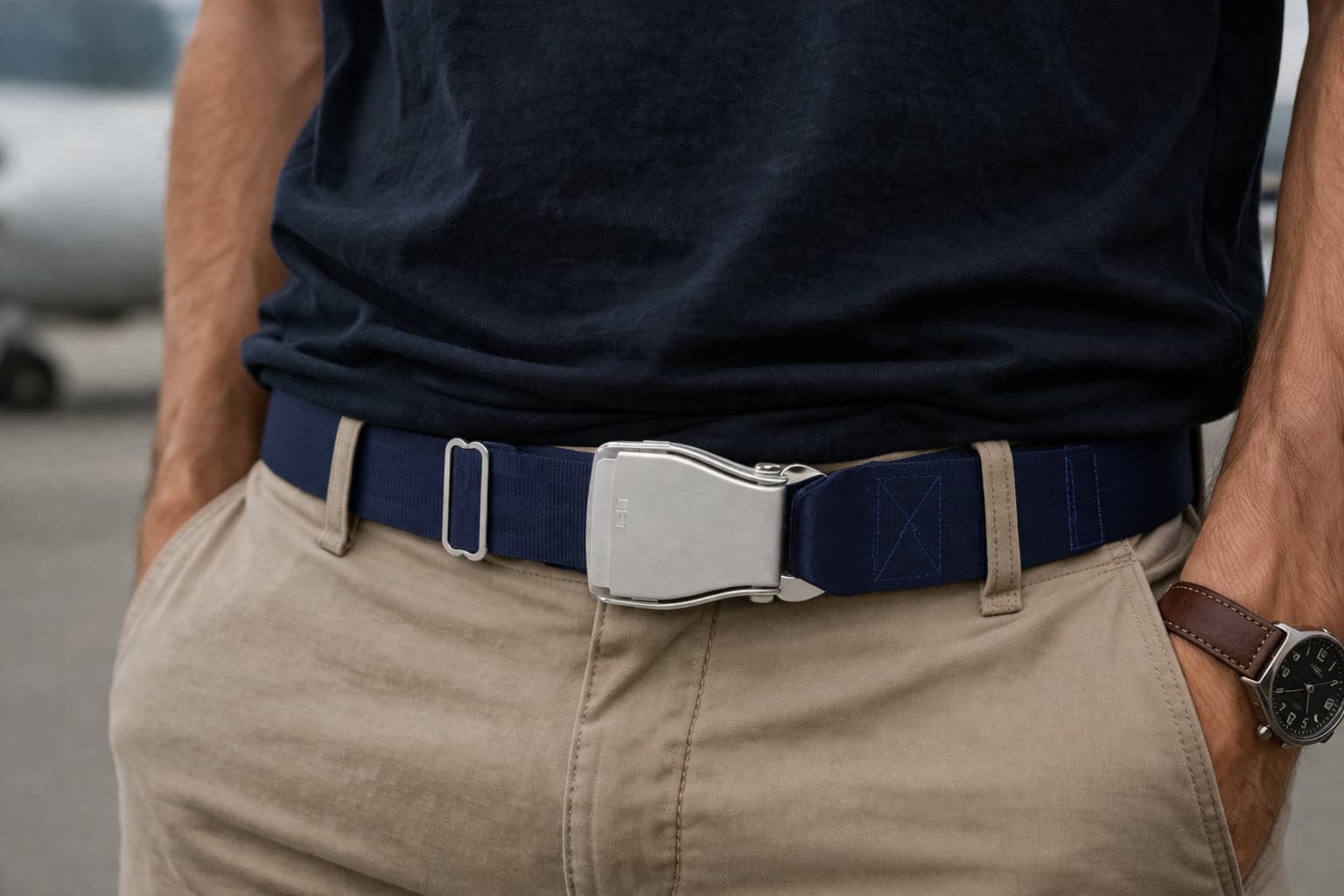
We didn't invent the buckle. We took the one your hands already know, redesigned it for the waist of a pair of trousers, and brought it down from the cabin.
Fly-Belts · Paris, 2012
A buckle nobody really notices
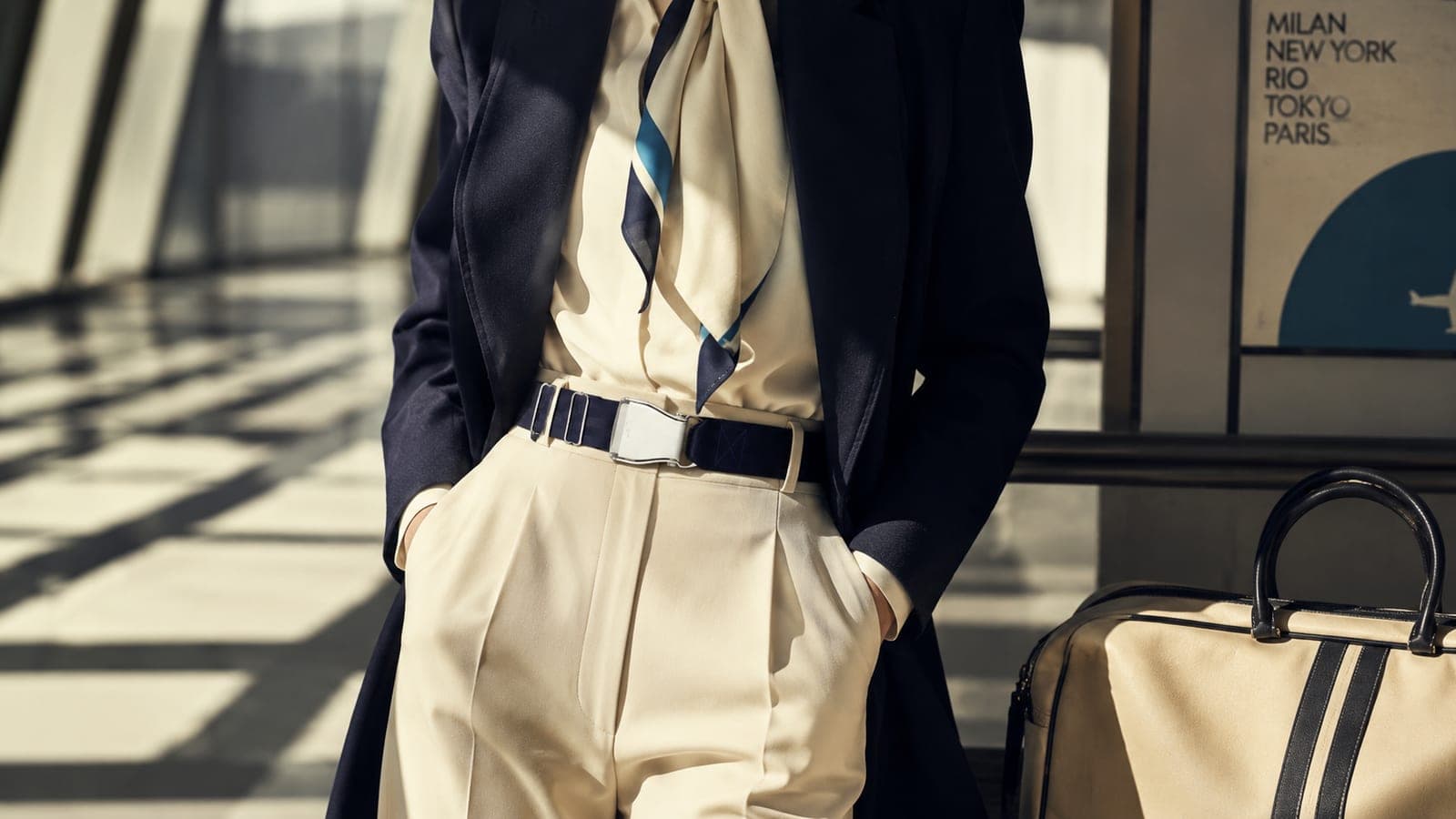
The body of a regular learns the press-and-lift after a few hundred fastenings. The movement gets faster than the thought. That is why an aviation belt built around that same buckle doesn't read the same way to a regular as to anyone else. To a passerby, it is a belt. To someone who has spent eight days a month, for ten years, in the third row from the back, it is a remembered gesture, transferred from a cabin seatbelt to the waist of a pair of chinos.
The object that follows you home
The arrival routine matters as much as the departure. The regular doesn't unpack in the order things went in. They unpack in the order things degrade. Worn clothes to the wash first. The non-useful object back to its shelf. The belt off, coiled, on the dresser, ready for the next trip.
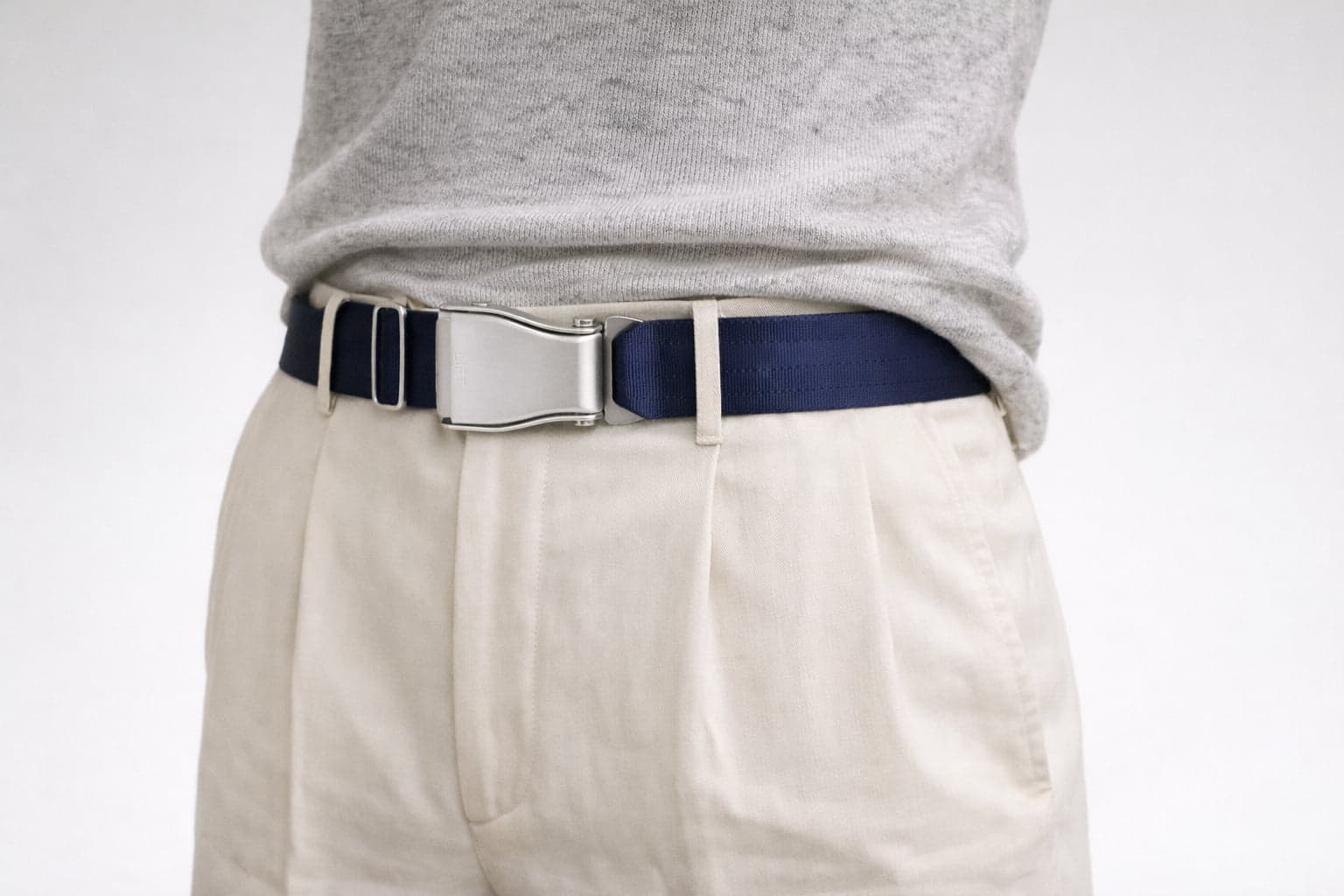
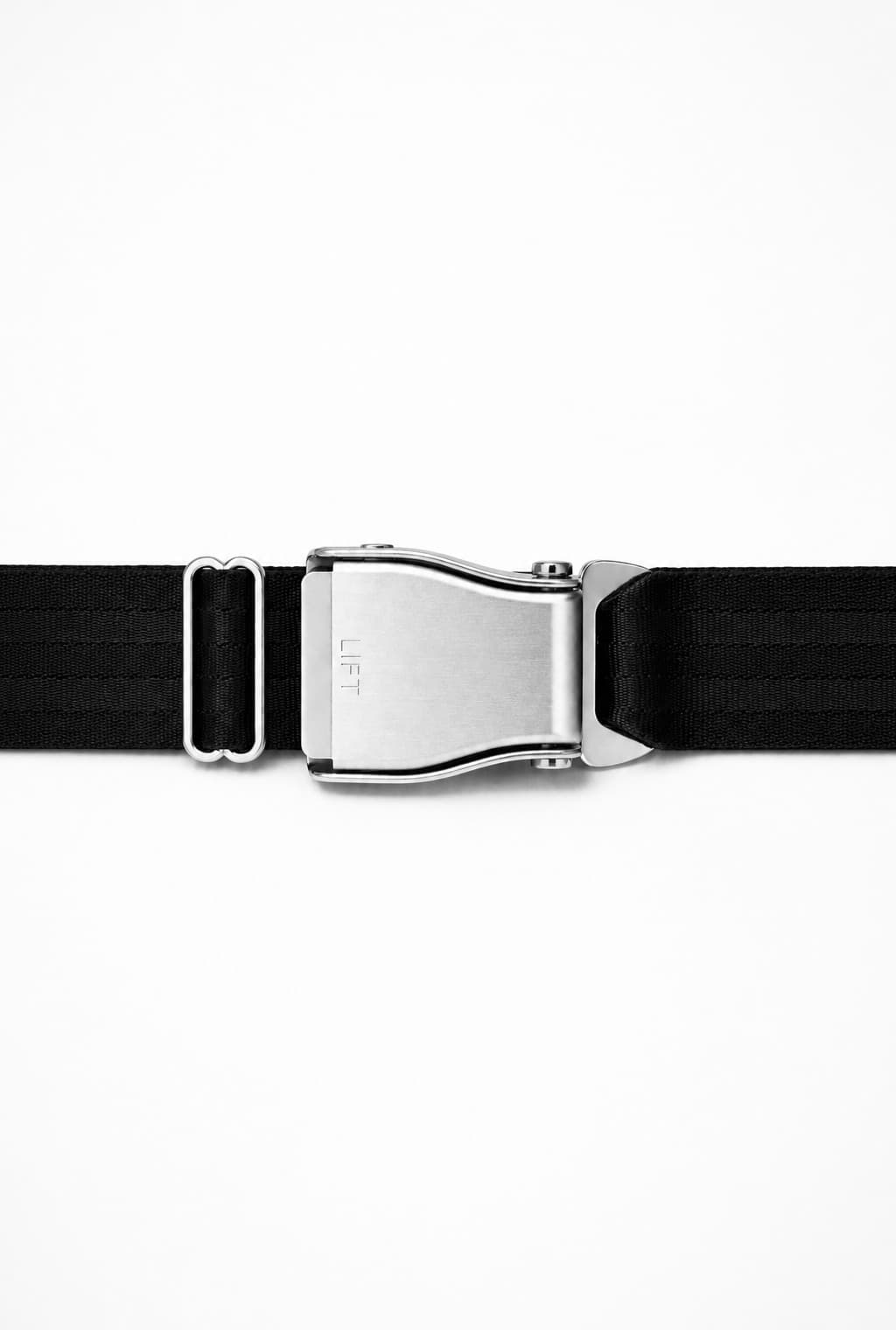
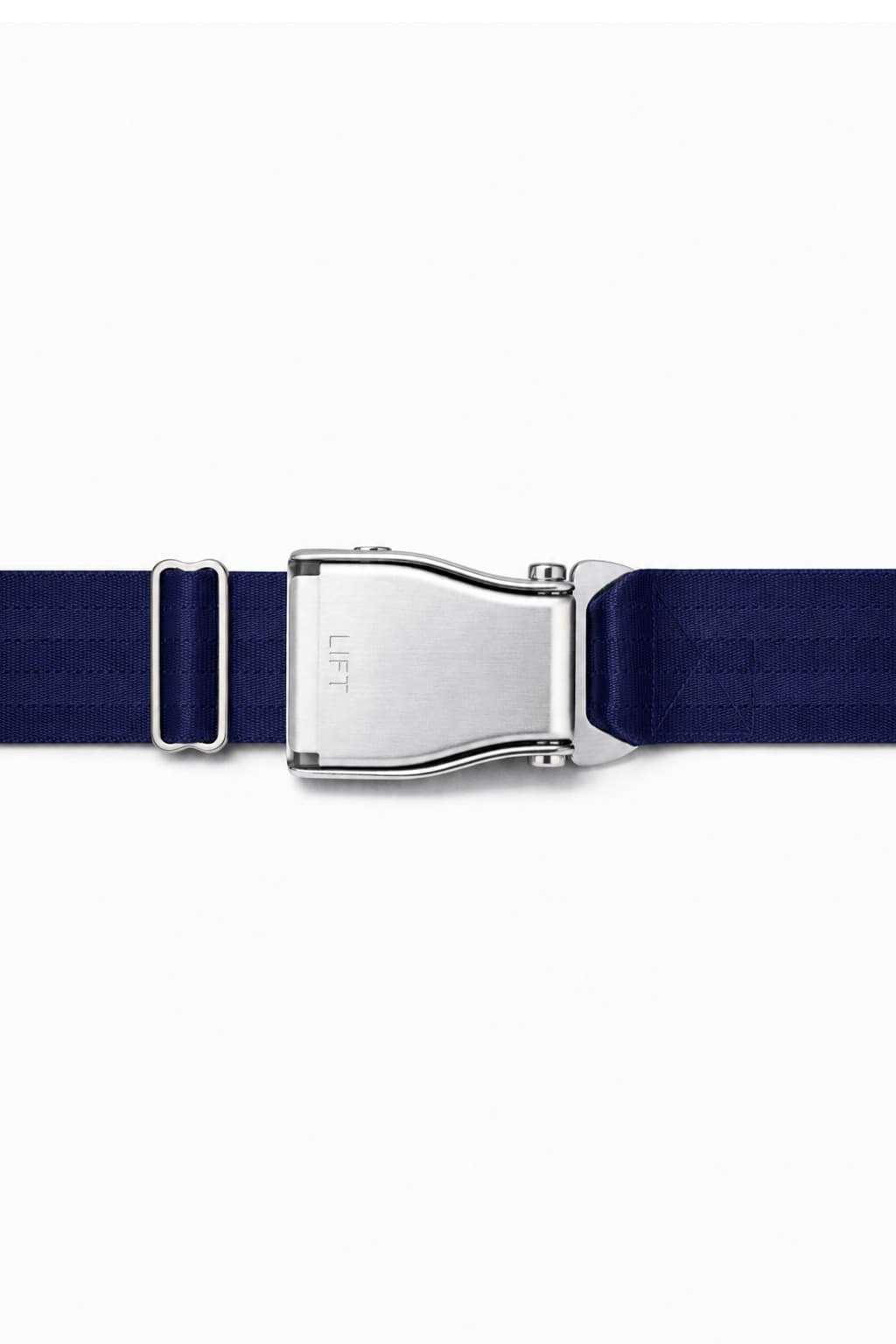
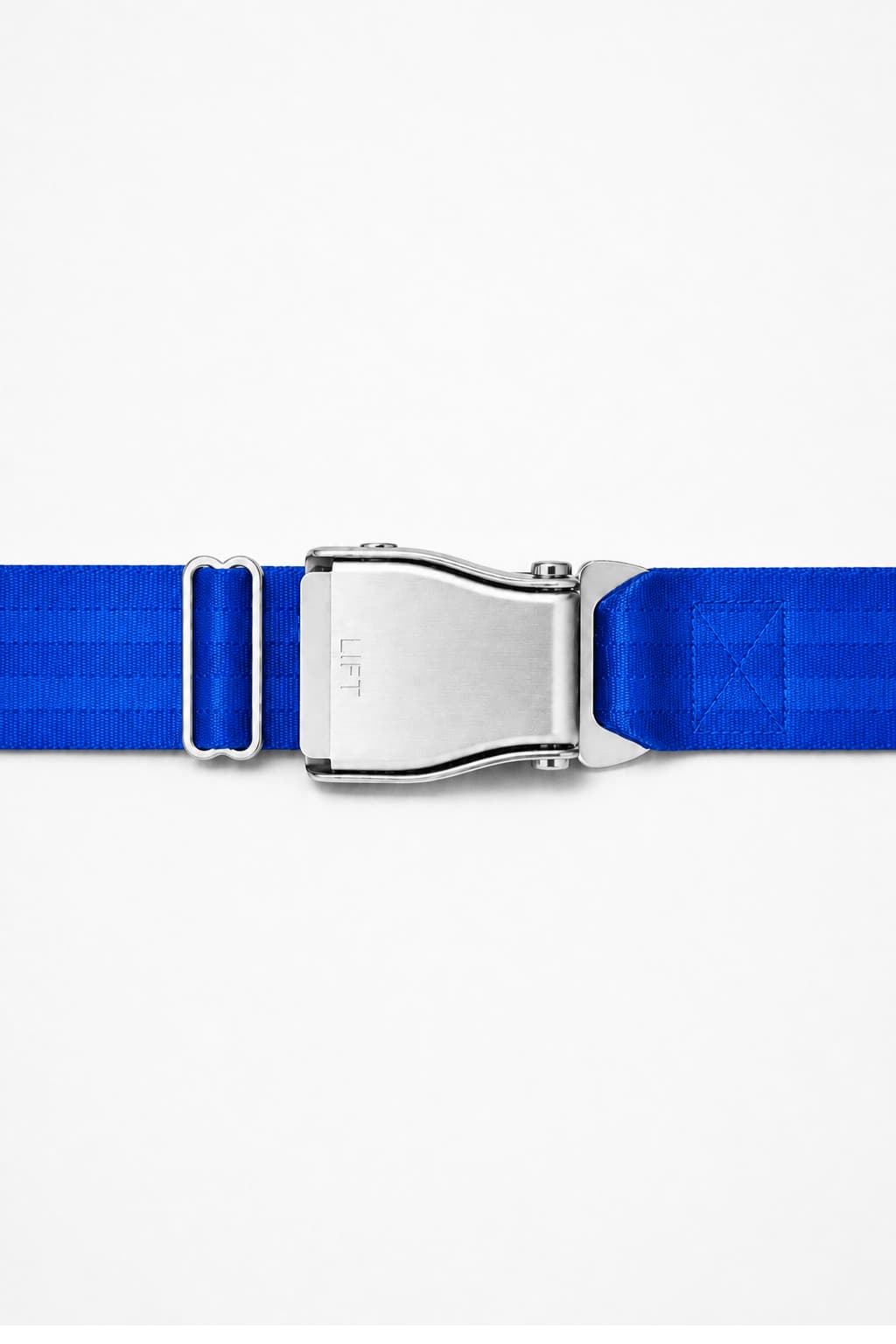
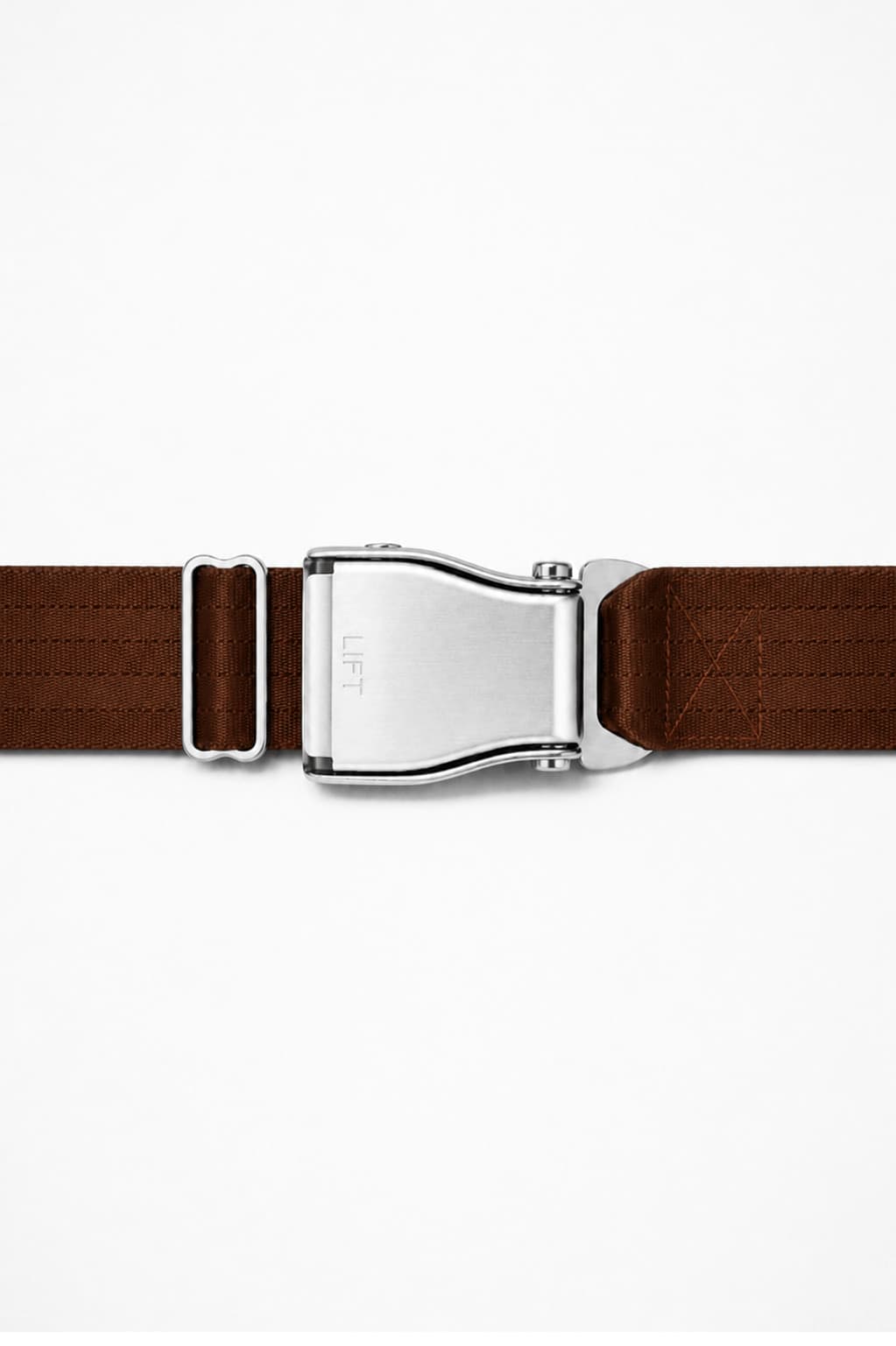
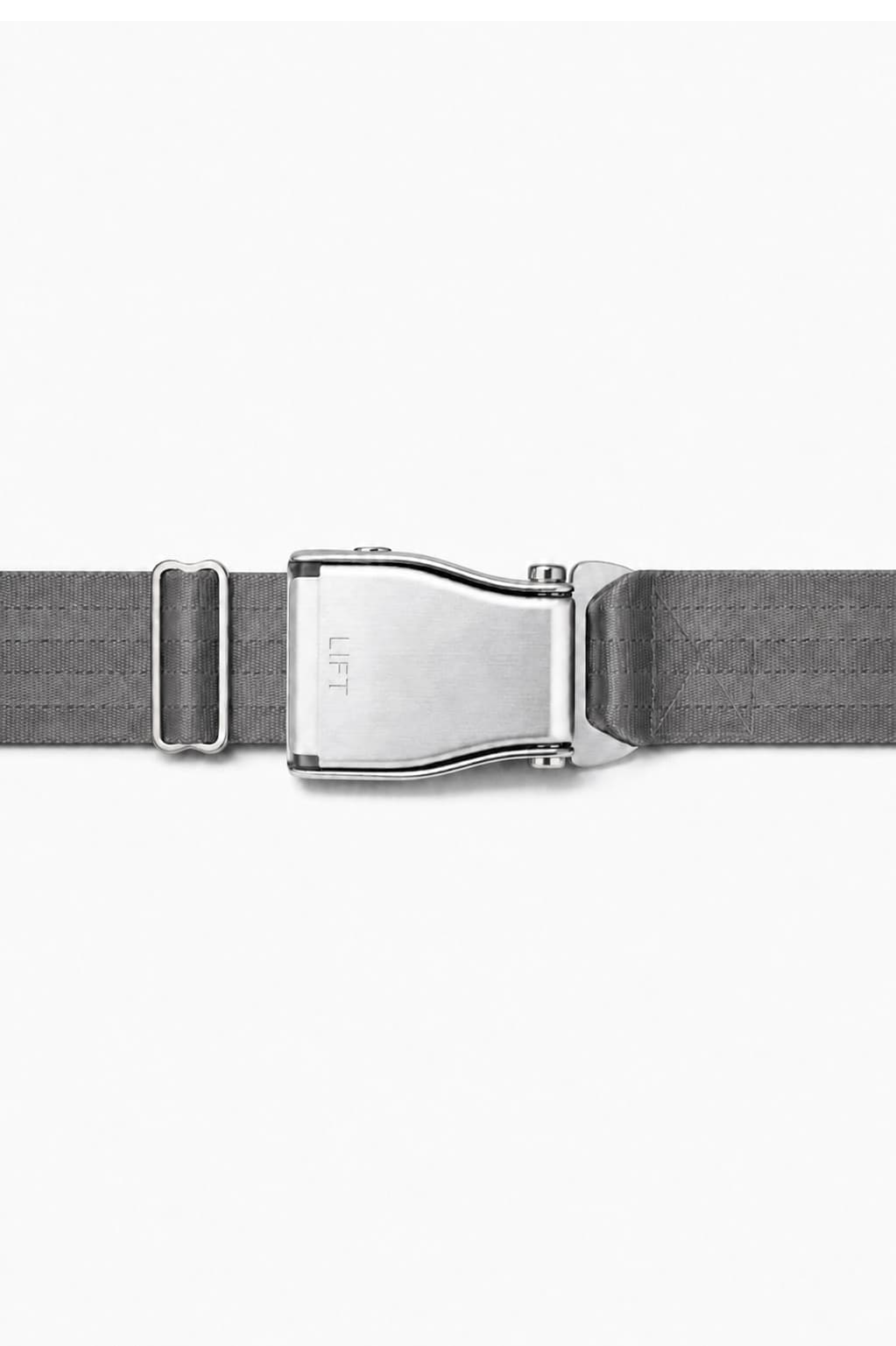
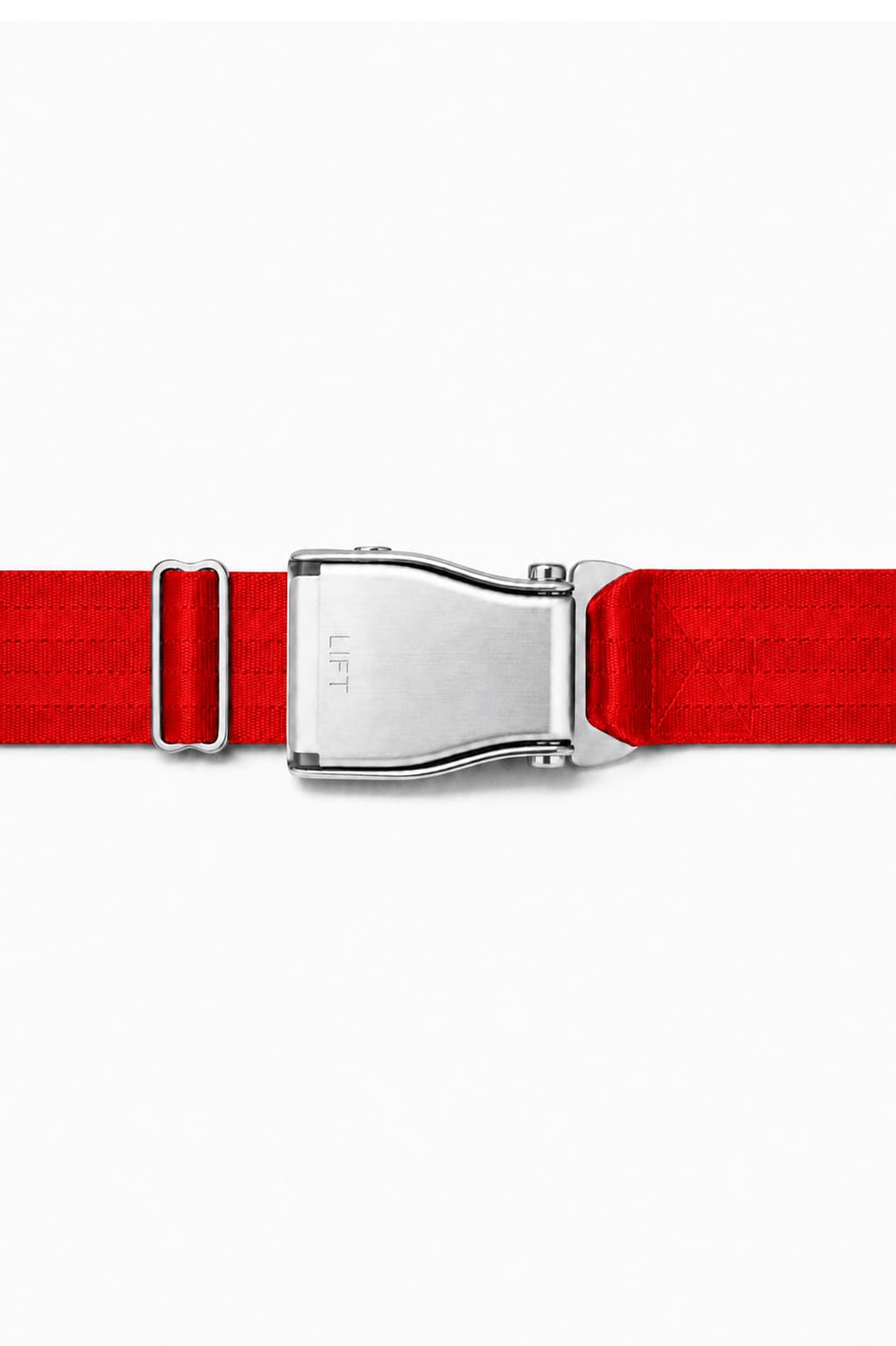
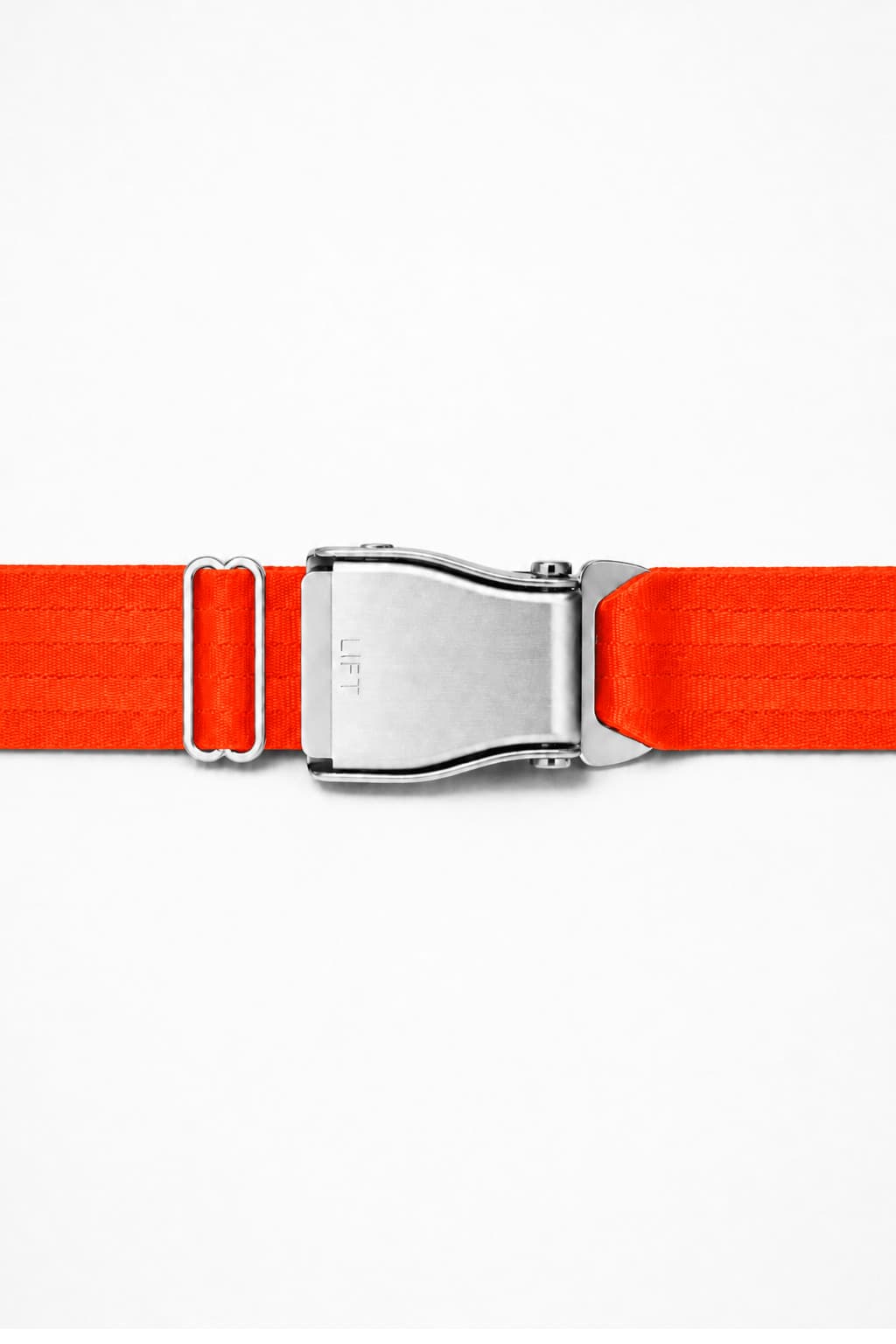
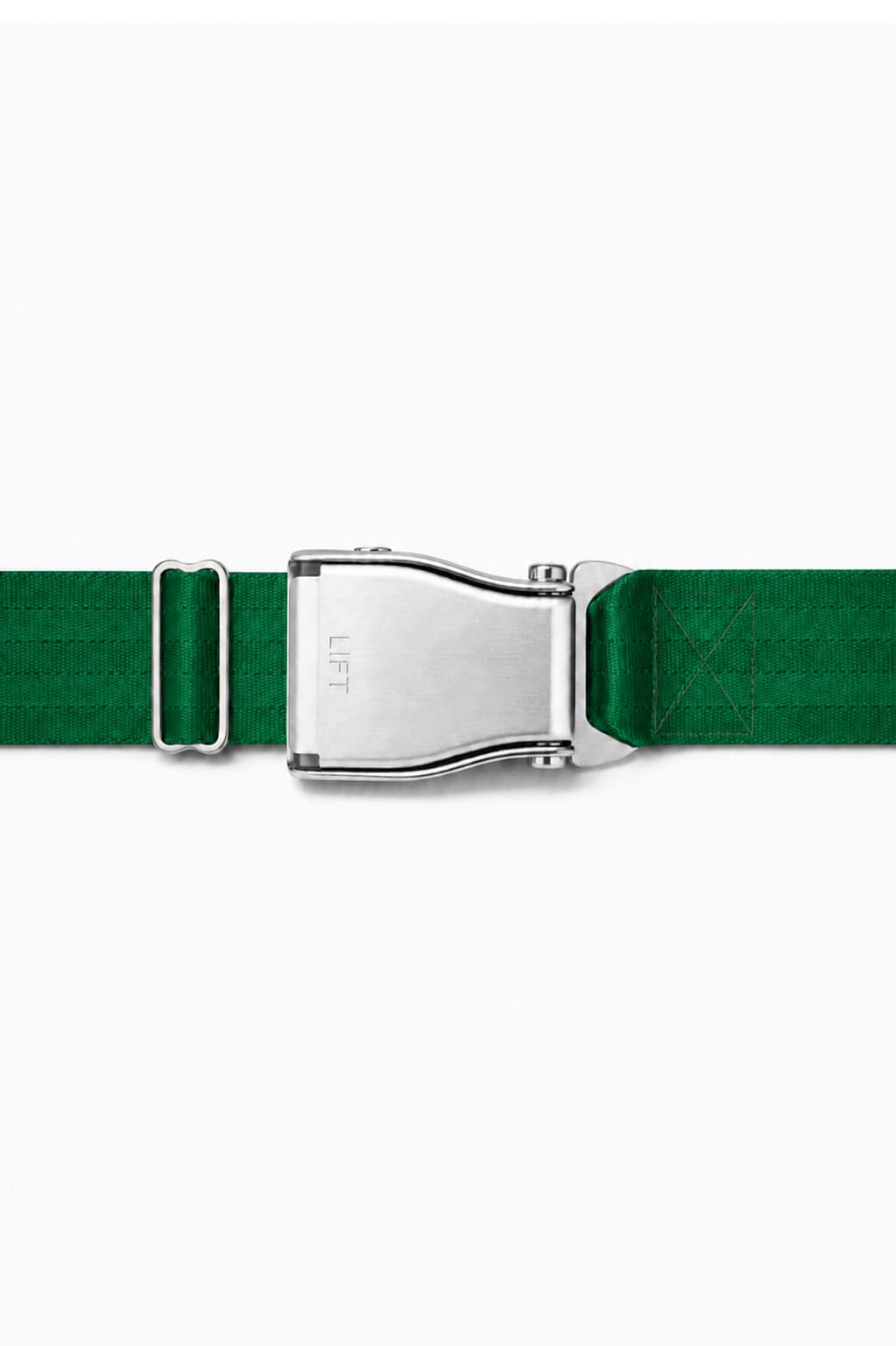
That last gesture is where Fly-Belts begins. You already know the buckle, your hands have already learned it. You just don't usually take it home with you. We make the belt that lets you. We took the same aluminium buckle that sits above row 22K, redesigned it so it lives at the waist of a pair of trousers rather than on a cabin seat, and offered it in eight colours named after eight routes. Look at the collection if you'd like to see what the gesture from 22K looks like at a waistline.


Eight routes. Eight belts. One buckle.
The same buckle mechanism as on board, machined in aluminium, in eight colours named after the routes that made aviation.
Fashion Never Left the Tarmac: Eighty Years of Airline Uniforms
From Pucci at Braniff in 1965 to Puma at Bangkok Airways in 2025, fashion and aviation have never stopped working on the same wardrobe.
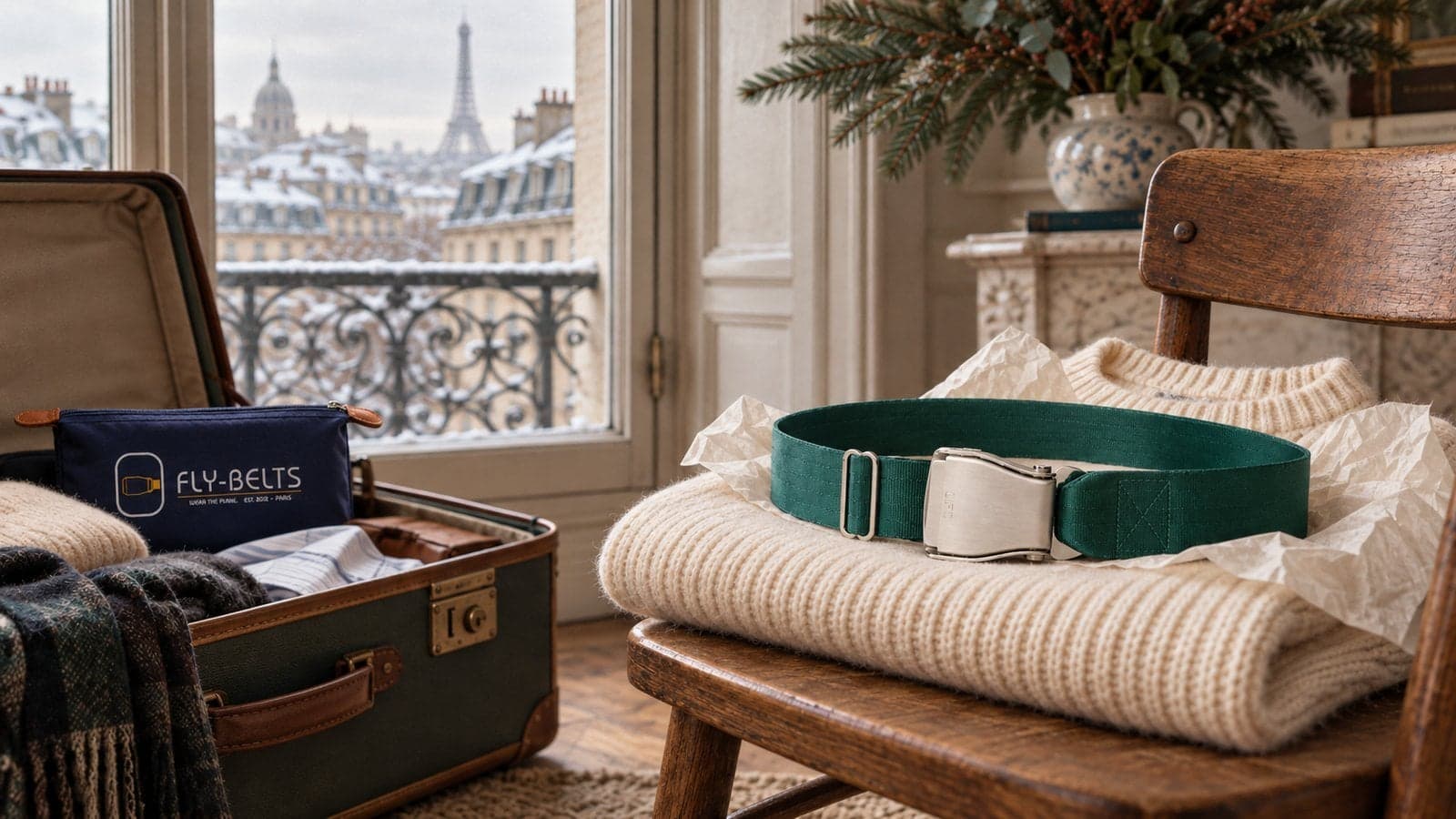
Why an Airplane Belt Makes the Perfect Christmas Gift
Who to give it to, what makes it special and how to choose it: the airplane belt as an original Christmas gift for aviation fans and travellers.