Why Airplane Seatbelts Have No Shoulder Strap
Airplane seatbelts use a lap belt with no shoulder strap. The physics, the rules, and the aviation buckle behind it. See The Belt.

Passenger aircraft use a two-point lap belt, worn low across the pelvis, with no shoulder strap. The reason is physics. In a survivable aviation incident the dominant force is vertical, and a belt across the hips restrains that motion. The seat back in front absorbs forward movement, and the buckle is built to open in a single motion.

A car crash arrives from several directions at once, so a three-point harness holds the shoulder as well as the hips. An aircraft is certified around a different event. The assumption is a mostly vertical deceleration, the kind felt in a hard landing or severe turbulence, where the pelvis is the strongest anchor point on the body.
Economy rows add a second layer. The seat back ahead of you is designed to pivot forward on impact, a feature called breakover, which turns the row in front into a cushion. The brace position works with the lap belt to keep the body compact. A shoulder strap in these forward-facing rows would add weight and cost for a case the cabin already answers another way.
There is also an everyday reason the lap belt matters, and it has nothing to do with a crash. The force it meets most often is clear-air turbulence, which can arrive with no cloud and no warning. That is why cabin crew ask you to keep it loosely fastened whenever you are seated, even in calm skies. A lap belt is enough to hold you through a sudden drop, the scenario a passenger is far more likely to meet than a hard landing.

The buckle earns trust in the cabin. We redesigned it to earn a place at the waist.
Fly-Belts
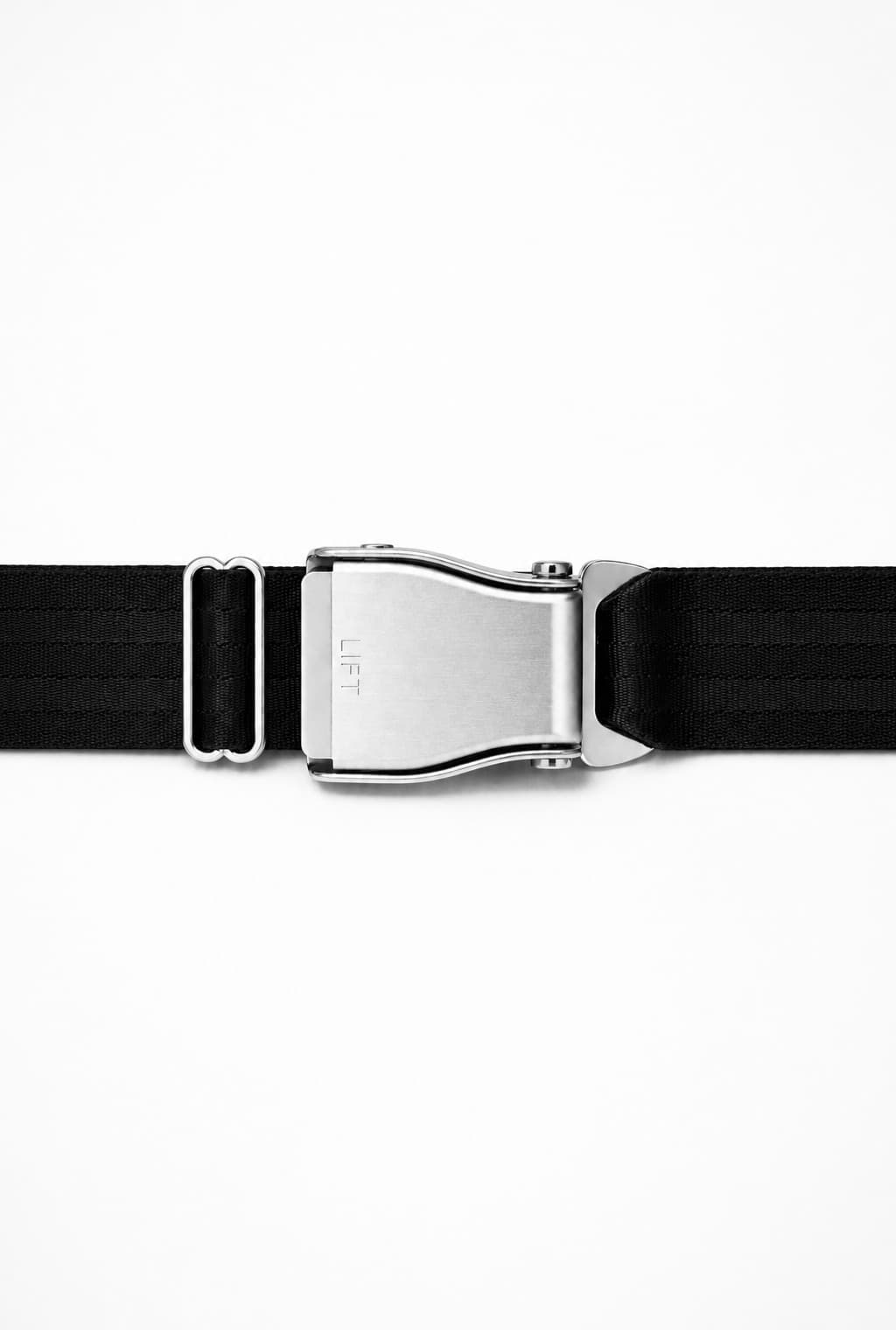
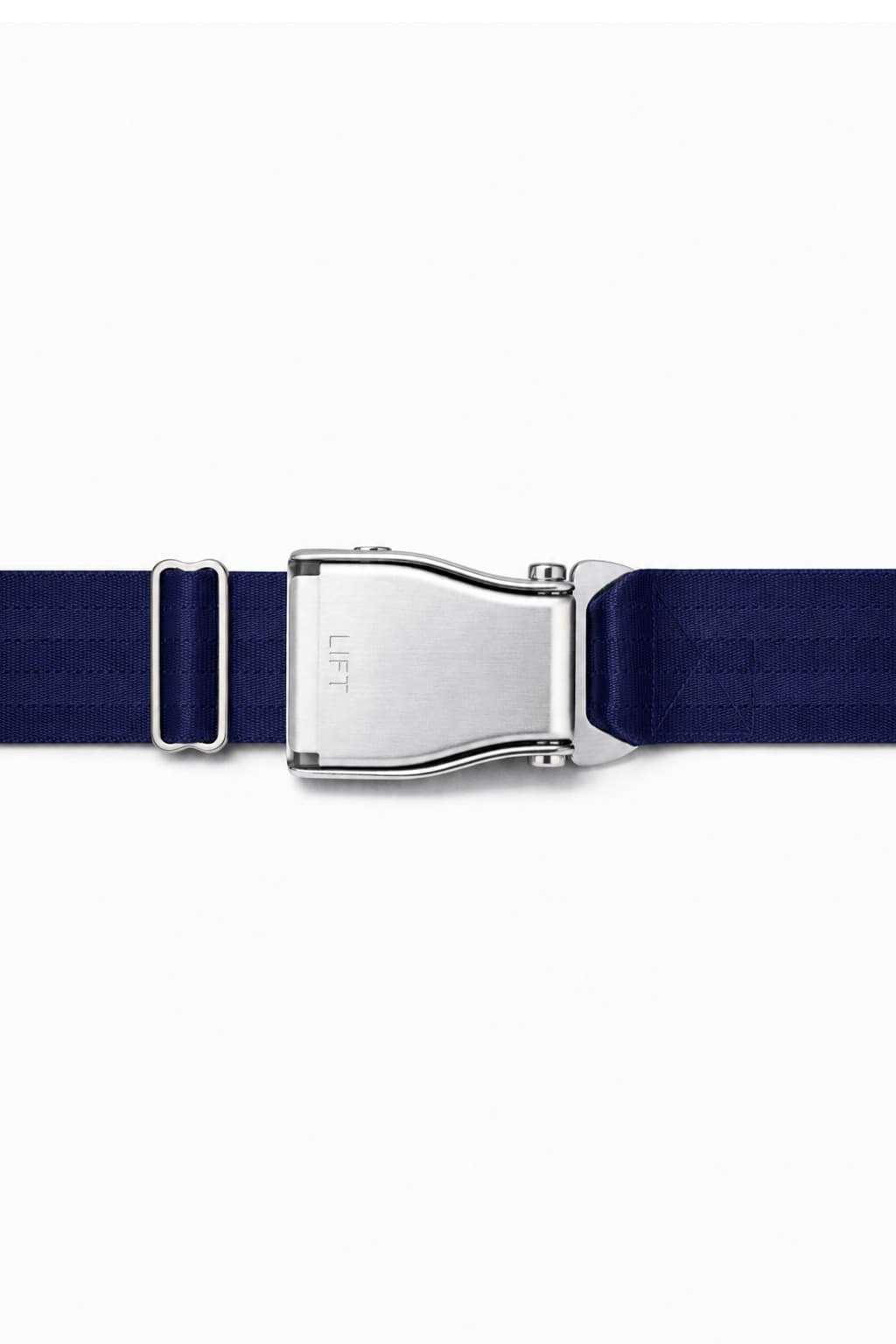
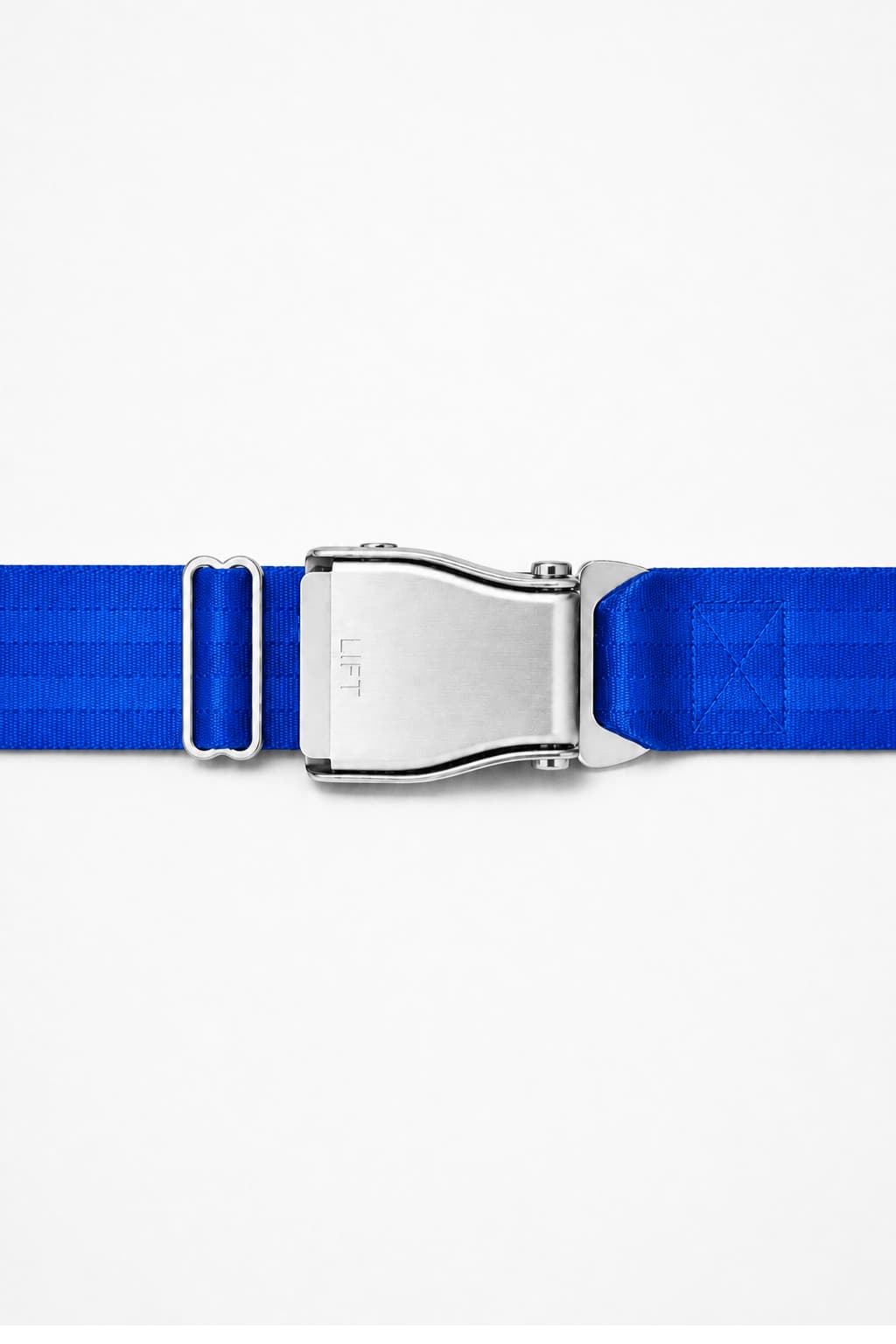
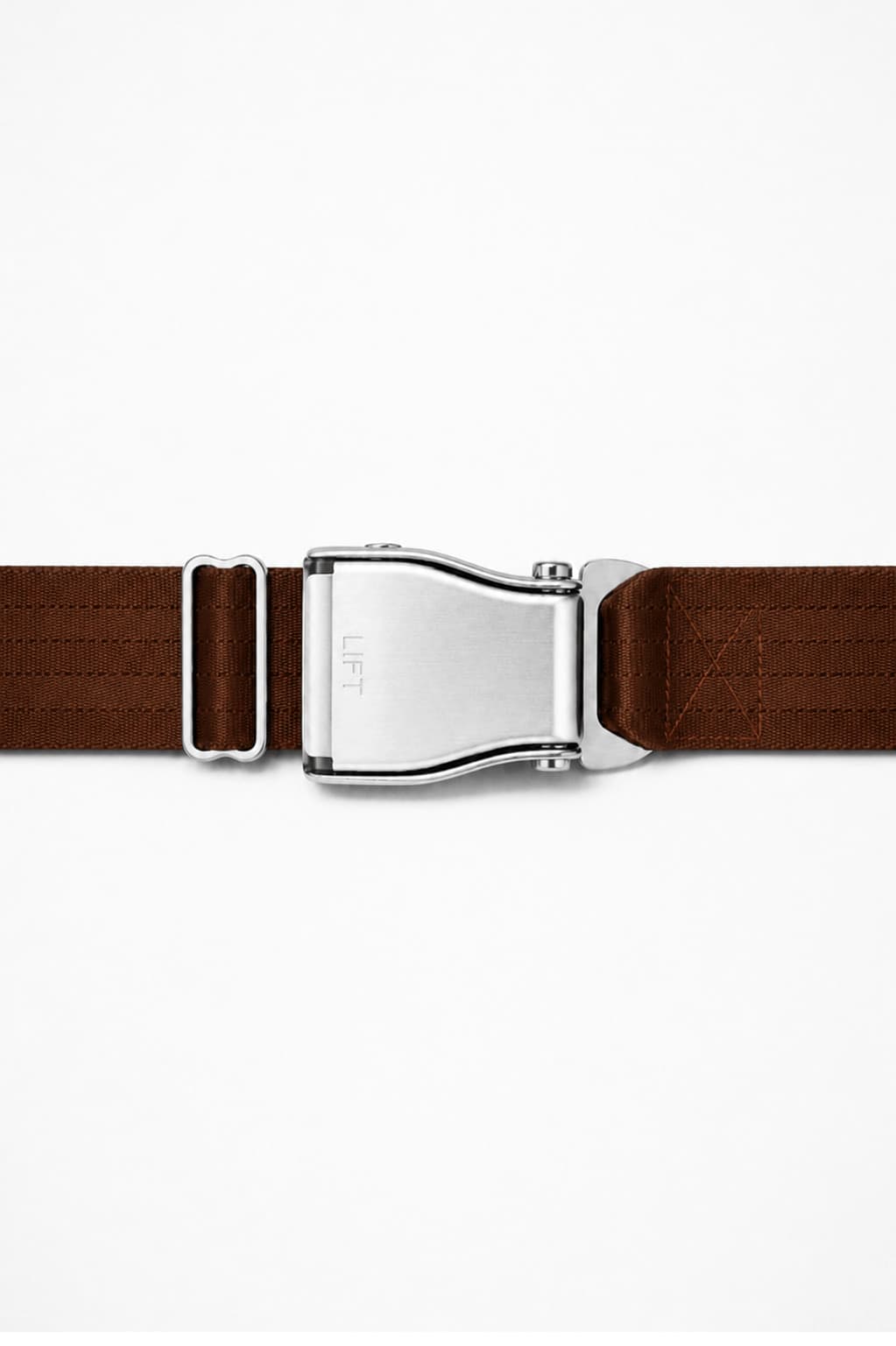
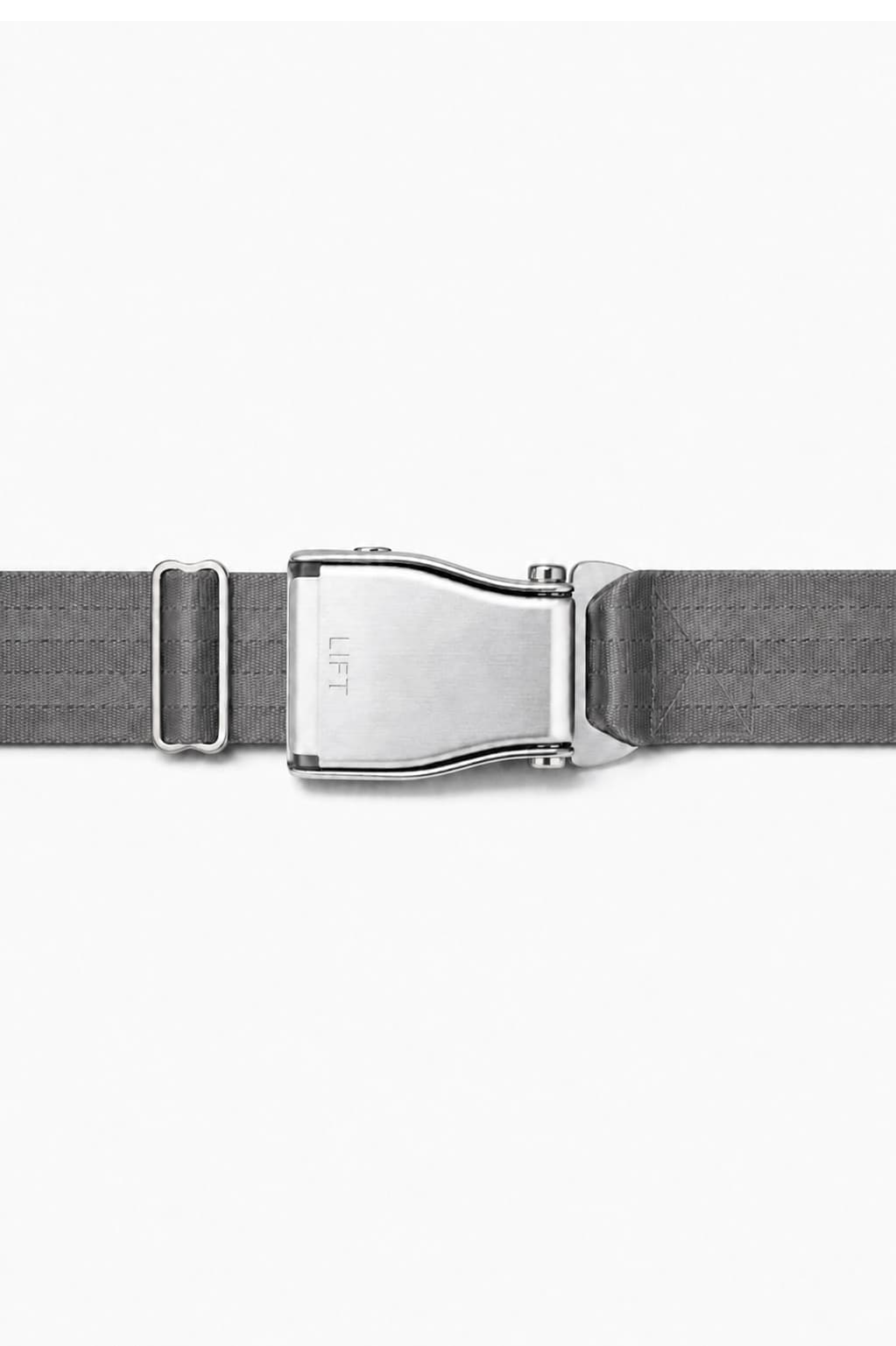
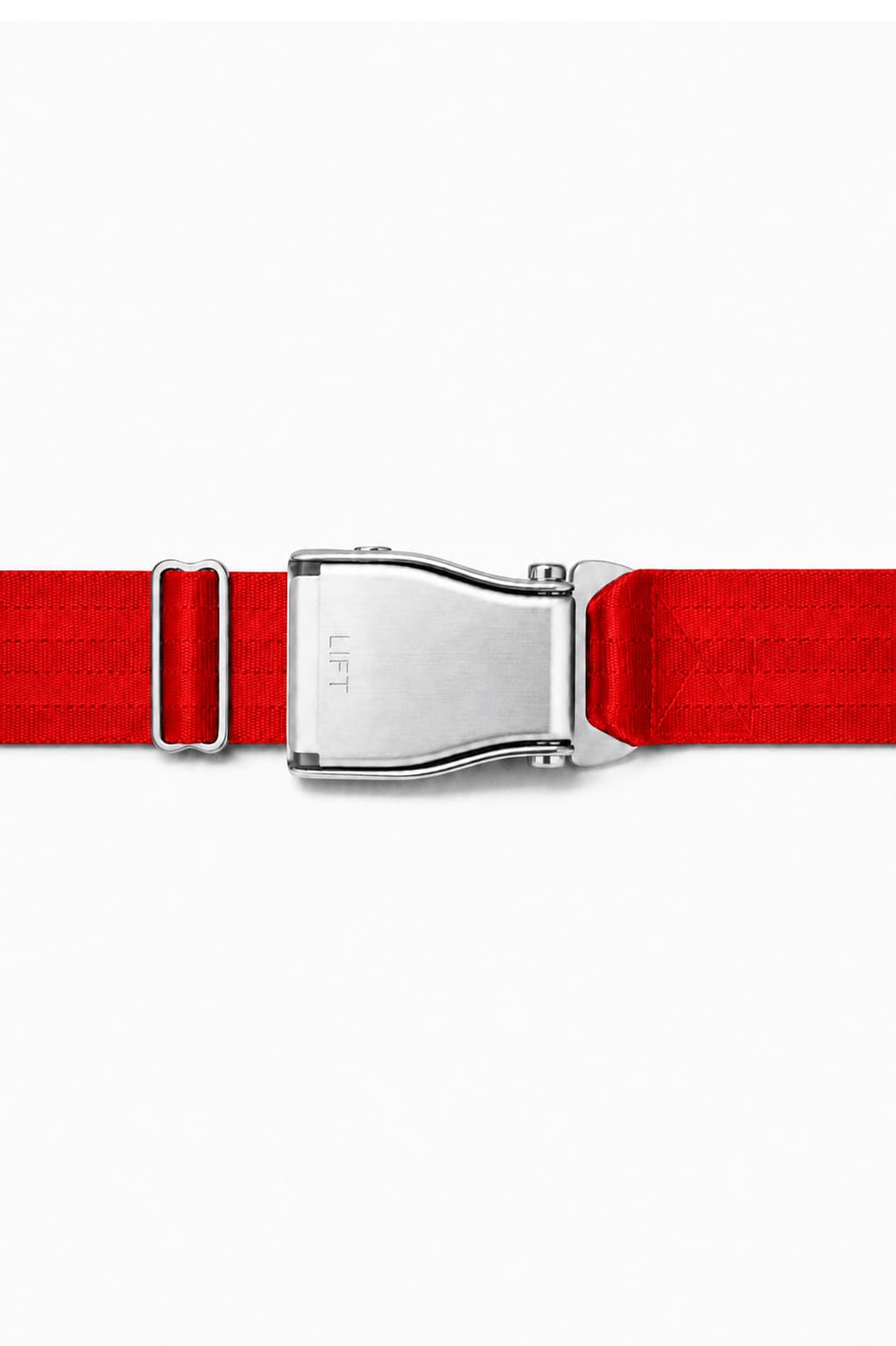
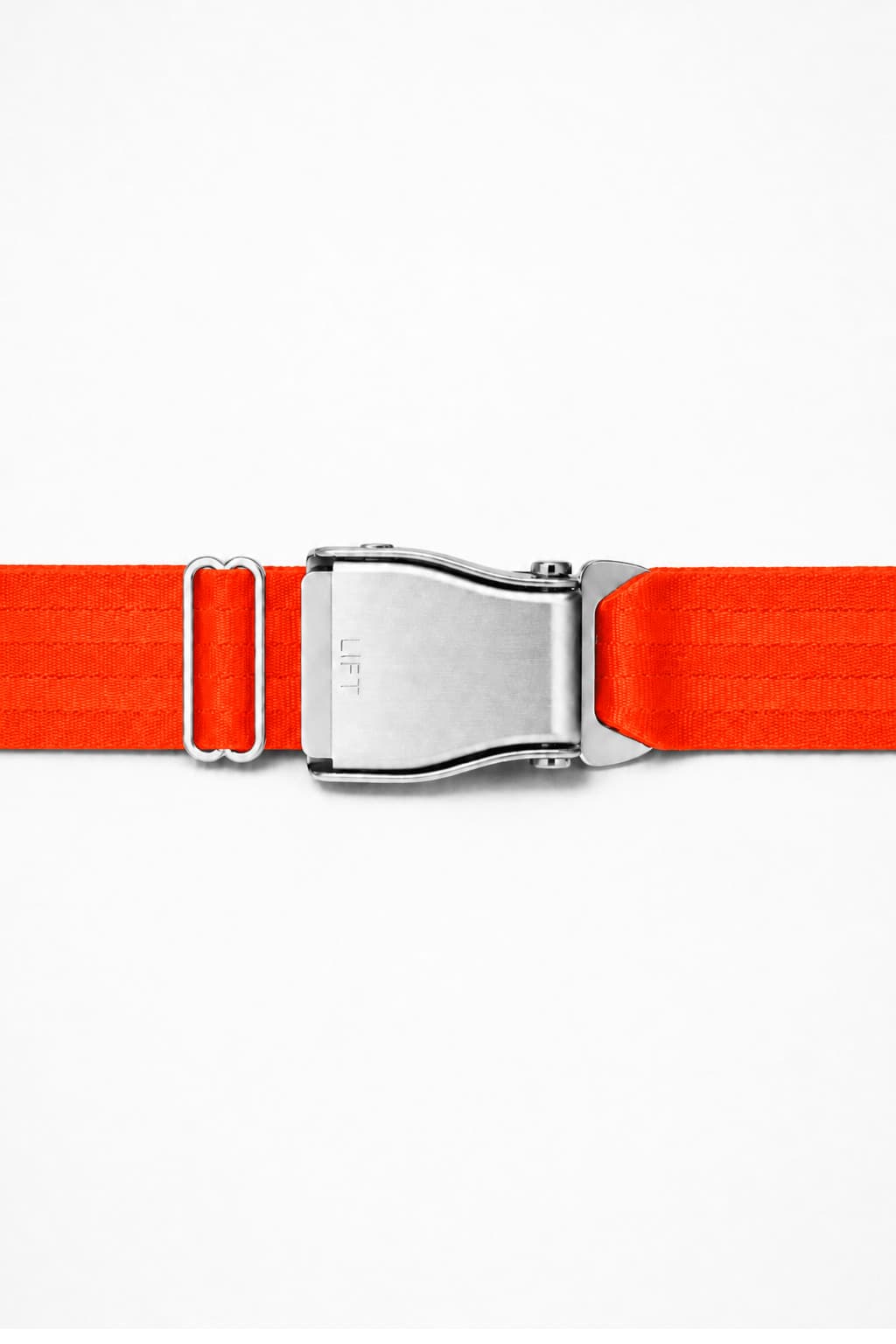
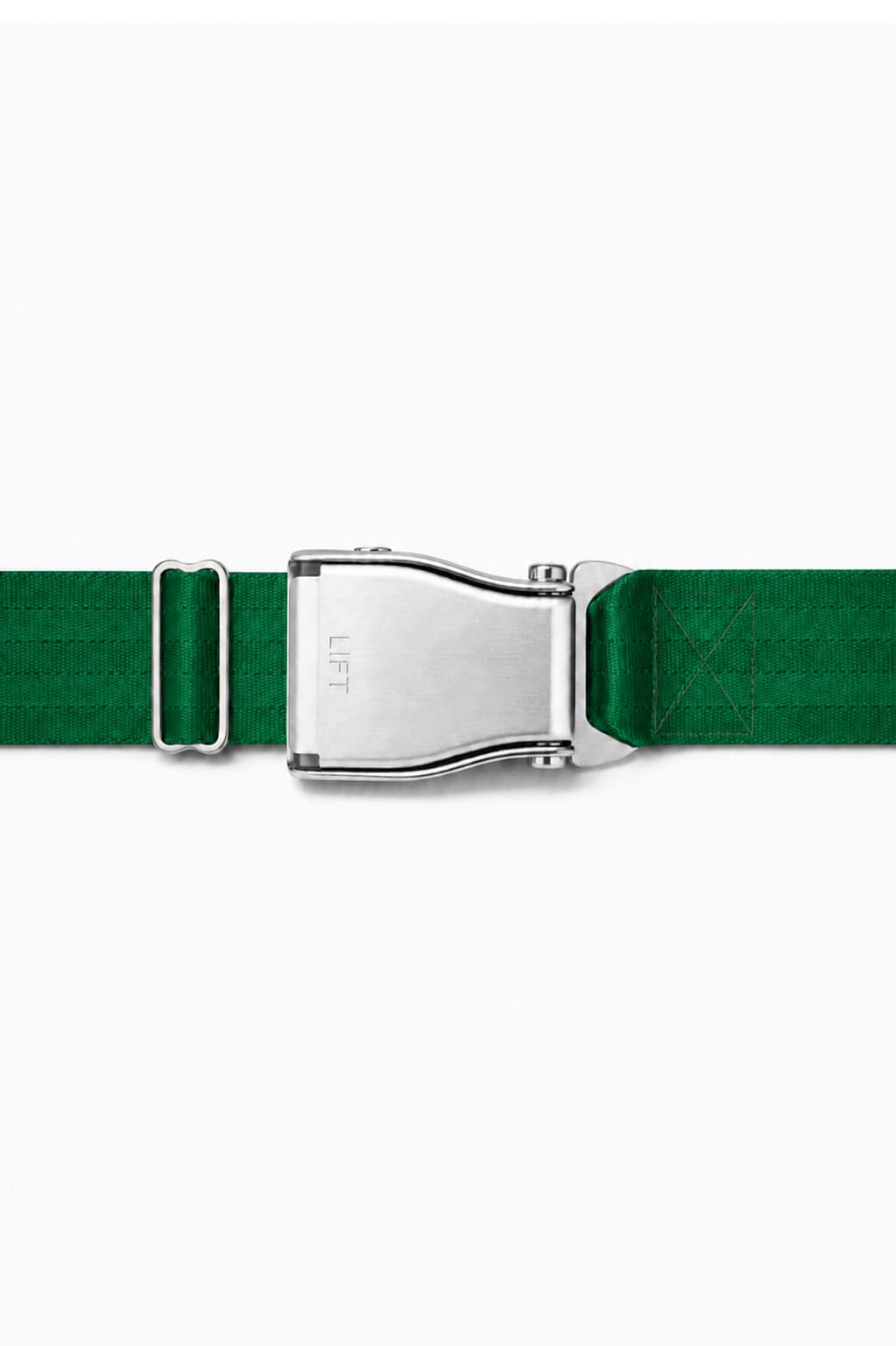
The lap belt has no shoulder strap because it does not need one. Fly-Belts took that same aviation buckle, the aluminium lift-lever you know from the cabin, and redesigned it to sit at the waist of a pair of trousers rather than across an airplane seat. Same mechanism, same click, a different place to wear it.


Eight routes. Eight belts. One buckle.
The same buckle mechanism as on board, machined in aluminium, in eight colours named after the routes that made aviation.

The Belt, The Upgrade, The First: The Difference
One aviation buckle, three forms. What actually separates The Belt, The Upgrade and The First, and how to choose between them.

Why We Chose Aluminium, Not Steel, for an Airplane Belt You Actually Wear
Steel is the material of a real aircraft buckle. Aluminium is the material of a belt you wear every day. Why the difference matters.