Gifts for Pilots, from the First Solo to the Last Flight
What to give a pilot at every milestone, from the first solo to the last flight. Five real occasions, and the kind of gift that gets used.
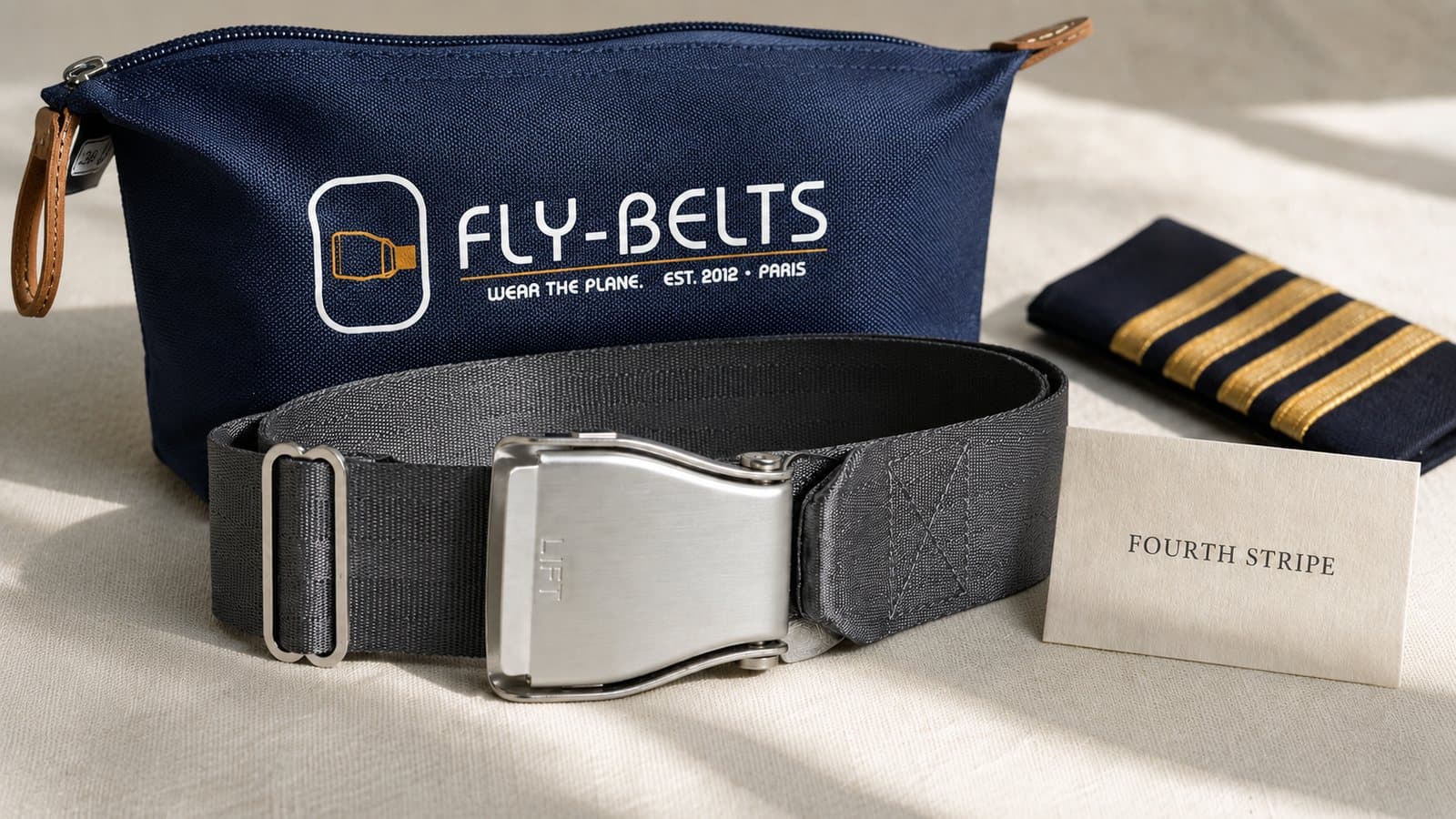
Pilots celebrate more milestones than almost any other trade: the first solo, the licence, the wings, the fourth stripe, the last flight. Each one is a real occasion to give something, and each one leaves most people stuck for ideas. Here is what each step means, and the kind of gift that works. Fly-Belts belts, built around a real airplane buckle, are made for exactly these moments, and we come back to them at the end.
Why these gifts are so easy to get wrong
The reflex is to buy something with an aeroplane on it. A model, a mug, a keyring, a framed poster of a cockpit. It gets opened, it gets thanked for, and it ends up on a shelf. The people who fly are, in general, the people who are least interested in decorative aviation.
Three rules make the choice easier. The object should be used or worn, not displayed. It should nod to aviation quietly, in a way a stranger will not read across a room. And it should stay attached to one specific day, which is why a milestone gift almost always beats a birthday gift.
The first solo
After a dozen or so hours of instruction, the instructor climbs out on the taxiway, says something short, and closes the door. The student flies a few laps of the airfield alone. The aircraft climbs faster without the second person on board, and pilots still mention that detail thirty years later.
The tradition that goes with it is the cut shirt tail. On the earliest training aircraft the student sat in front and the instructor behind, with no radio between them, so the instructor pulled the student's shirt to get their attention. Once the student flies alone, the shirt tail has no purpose, so it is cut off, dated, signed and often framed.
What to give here: something small, personal, and usable the very next morning at the airfield. This is not the moment for a big object. It is the moment for the first grown-up accessory that says, without shouting it, that they now fly.
The licence
Months later comes the final flight test, with an examiner in the right-hand seat. It ends with a licence, and the licence changes one thing above all: from that day they can take someone with them. The first passenger is almost always a parent, a partner or a brother, and the flight rarely lasts more than an hour.
What to give here: something that marks the change of status rather than the paperwork. A licence is a plastic card, which makes for a poor souvenir. The gift should be the object they will have on them the day they fly their family for the first time.
The ratings nobody celebrates
Between the licence and the first job come years of exams that pass unnoticed by everyone except the pilot. Each one adds something they could not do the week before, and each one goes by without a card or a dinner.
The familiar ones are about the flying itself: flying at night, flying inside cloud on instruments alone, flying an aircraft with two engines, flying a jet, and teaching others to fly.
The ones nobody outside aviation ever hears about are attached to a place rather than to an aircraft. Nine mountain airfields cut into the French Alps, Courchevel and Megeve among them, are closed to anyone without a mountain qualification, passed on wheels in summer, passed a second time on skis to land on snow, and kept valid by going back at least once every six months. Landing on a lake means a water qualification, with its own exam on tides, buoys and the way a float behaves in a swell. And a short list of airline destinations works the same way: no crew flies into London City before practising its approach three times, because it comes down at 5.5 degrees instead of the usual 3. Innsbruck, wedged between mountains, and Madeira, exposed to the Atlantic wind, sit in the same category, flown in a simulator before they are ever flown for real.
What to give here: the easiest win of the whole list, precisely because nobody thinks of it. Ask them what they passed this year, then give something for it. The gift matters far less than the fact that somebody noticed.
The wings, and the first airline job
The wings pinned to the chest are the oldest borrowed ritual in the business. Airlines started handing them out in the 1920s, using at first the generic air mail wing worn by every carrier that flew the post. In 1934 American Airlines introduced its own graded wings, a different design for each level of qualification. Every change of uniform since has kept the ceremony intact.
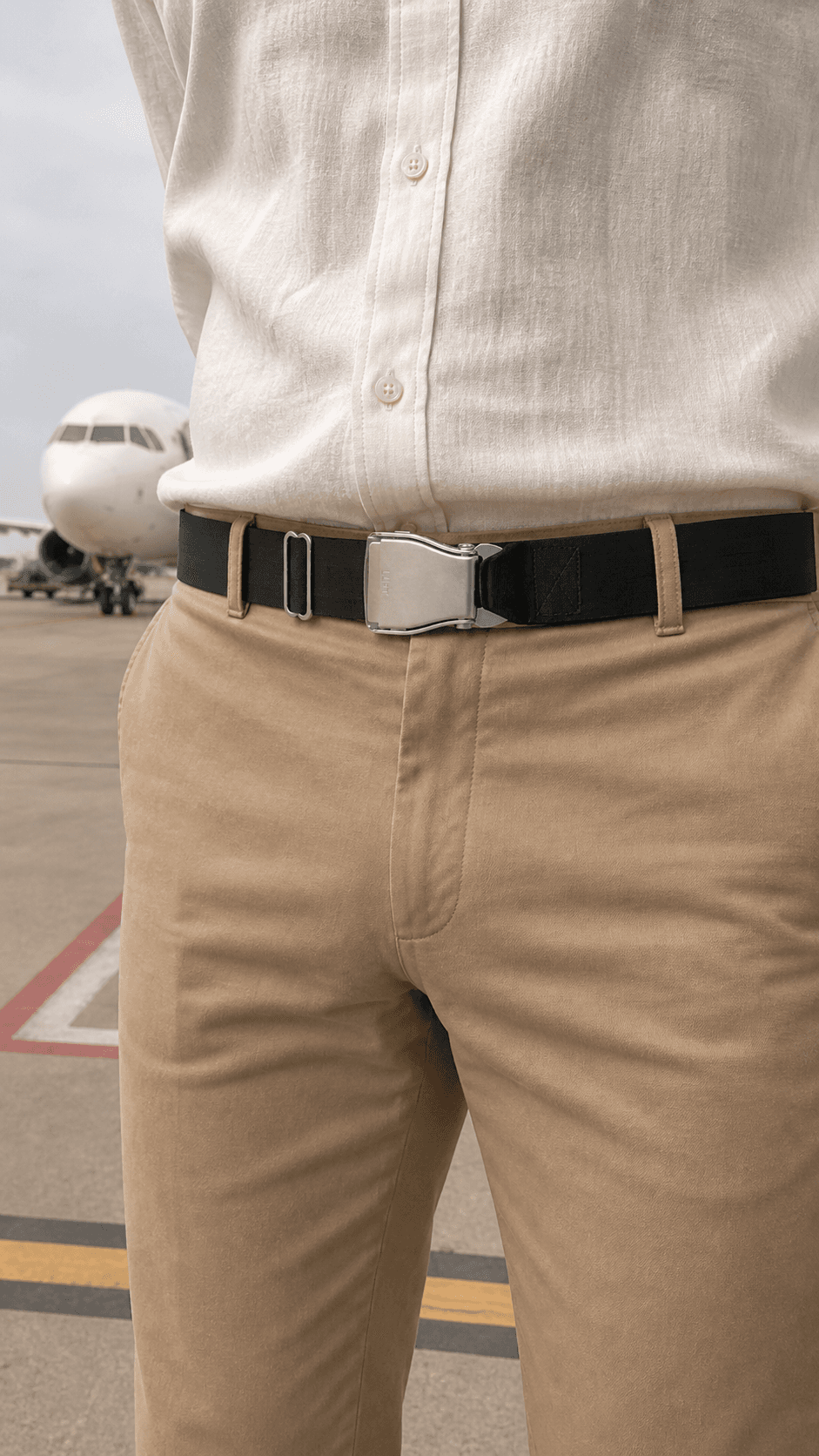
What to give here: something that works outside the uniform. At work there is no room for a personal object, so the gift lives on days off, in the taxi to the hotel, at dinner in a city they will only see for four hours. Discreet beats spectacular.
The fourth stripe
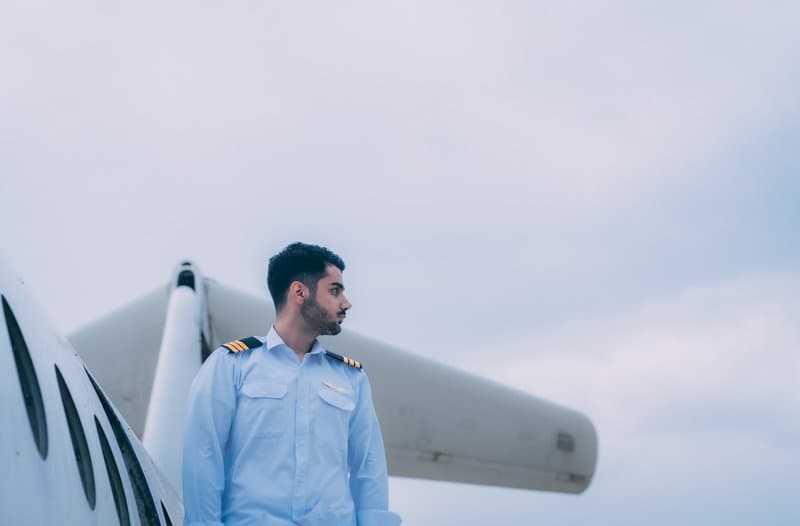
Ten to fifteen years after the first solo comes the command upgrade, and a fourth stripe on the shoulder. The epaulette itself is not an aviation invention: it appeared on military uniforms in the late seventeenth century as a strip of cloth whose original job was to stop a belt or a shoulder sash from sliding off. Pan American dressed its Clipper crews as naval officers in the 1930s, the industry copied the code, and four stripes have meant captain everywhere since.
What to give here: this one deserves scale. It is the milestone a pilot works towards for a decade, and it will not happen twice. A set rather than a single object, something with a box, something that can be handed over in front of other people.
The last flight
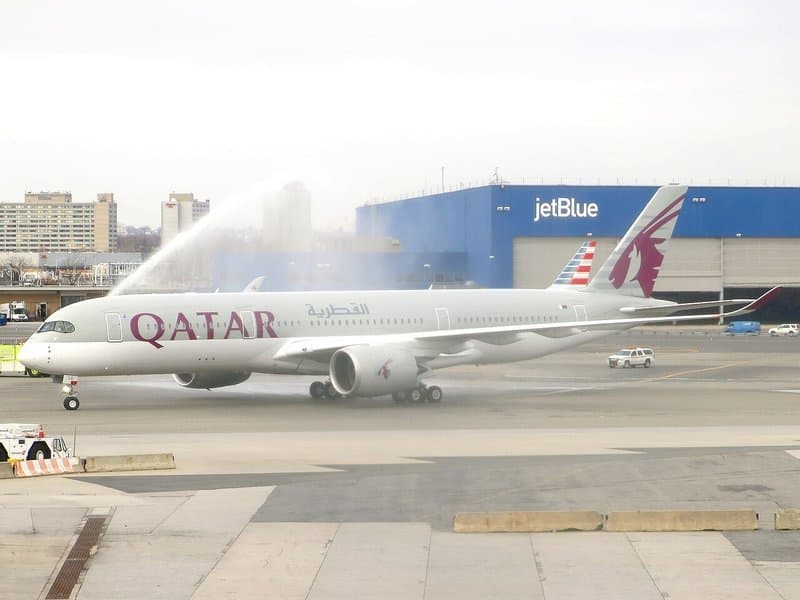
For most airline pilots the career ends at around sixty-five. The final landing is announced to the airport, and two fire trucks meet the aircraft on the taxiway to raise an arch of water over it. The tradition comes from ports, where fireboats saluted ships returning from a maiden voyage, and aviation picked it up in the 1990s. It now marks retirements, closing routes and the withdrawal of an aircraft type: when the last Air France Concorde left New York on 31 May 2003, the water was sprayed in blue, white and red.
What to give here: a summary, not a surprise. Something that gathers a whole career rather than a single day, and that they can keep using once the uniform goes in the wardrobe for good.
A buckle designed for an aircraft cabin has to be trusted before it is noticed. That is the whole reason it works on a pair of trousers.
Fly-Belts · Paris, since 2012
The gift that fits every one of these days
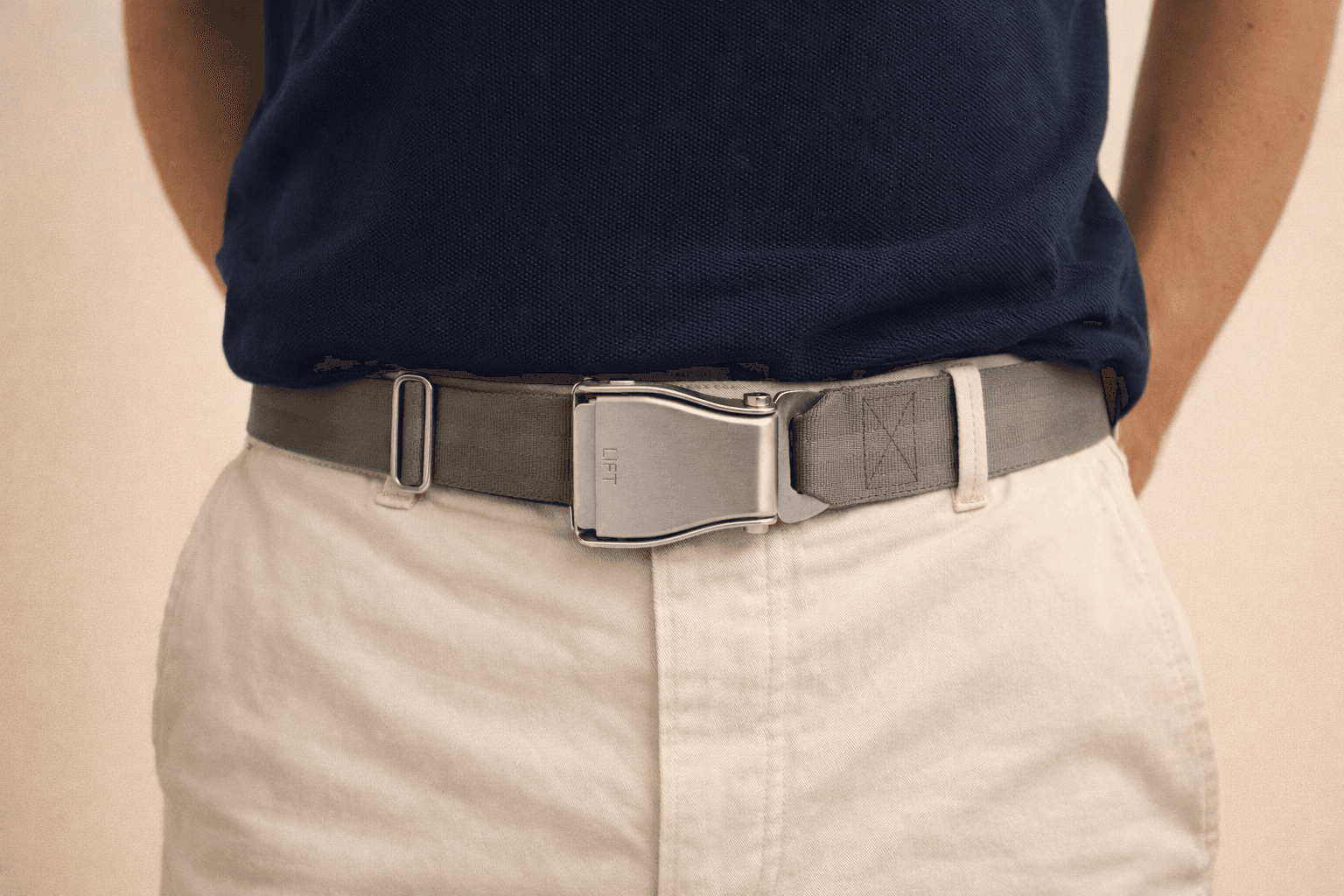
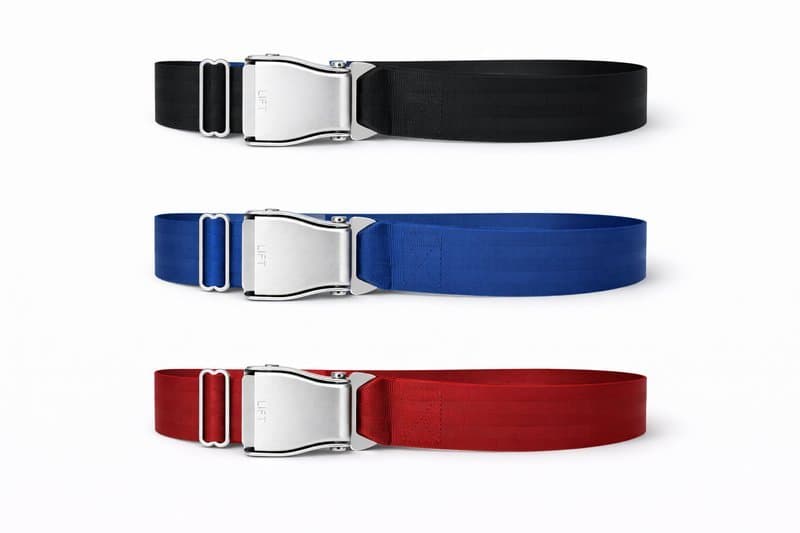
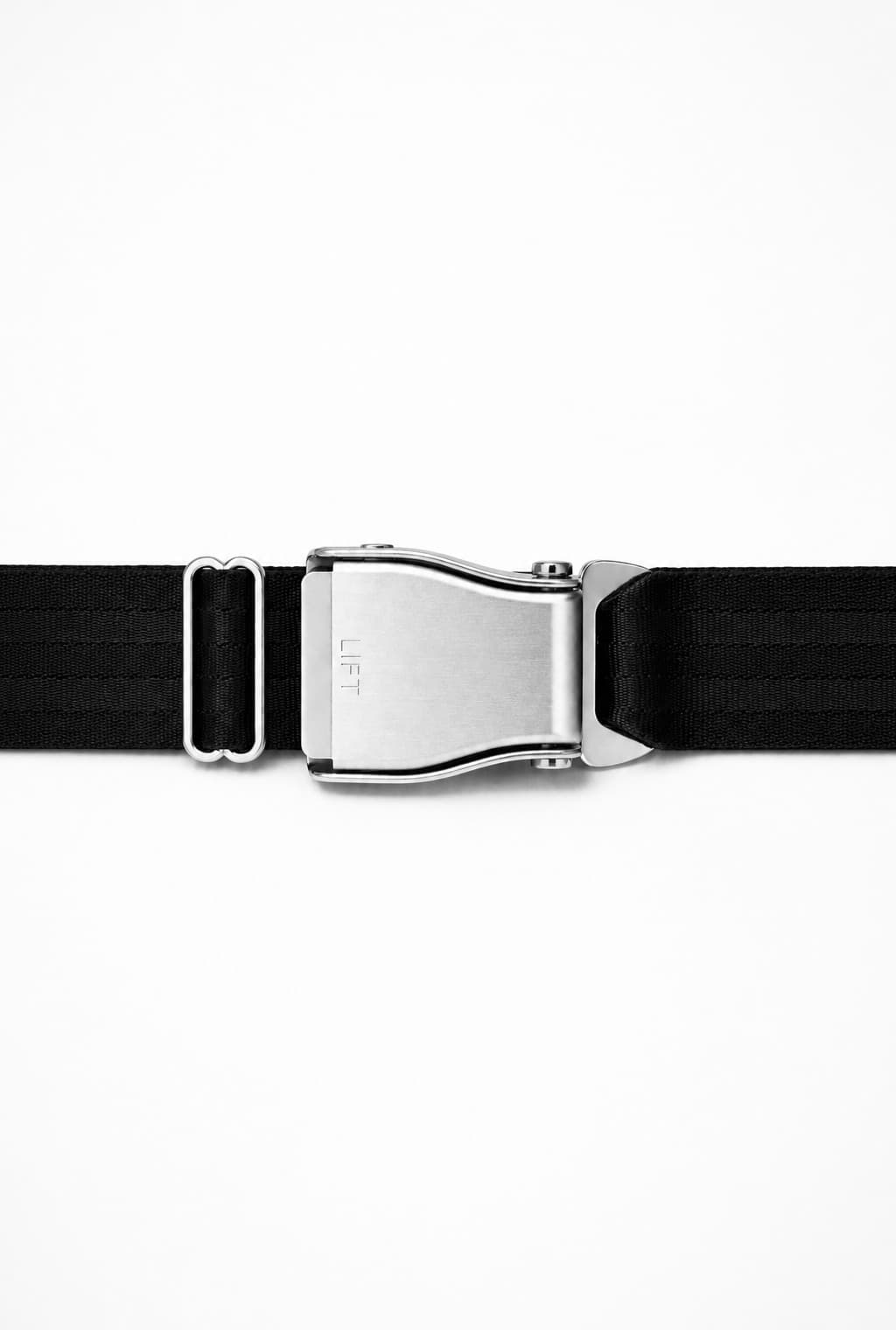
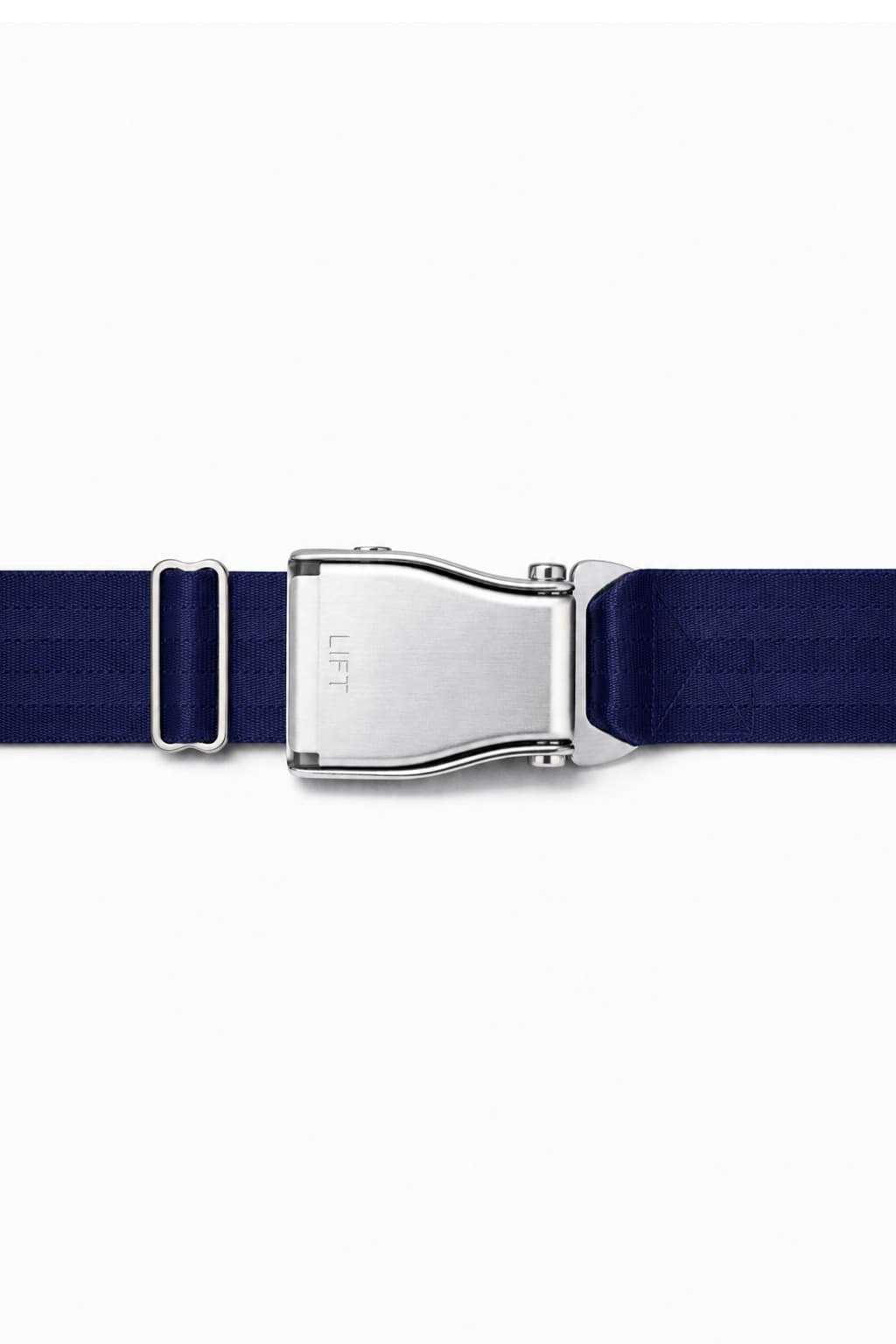
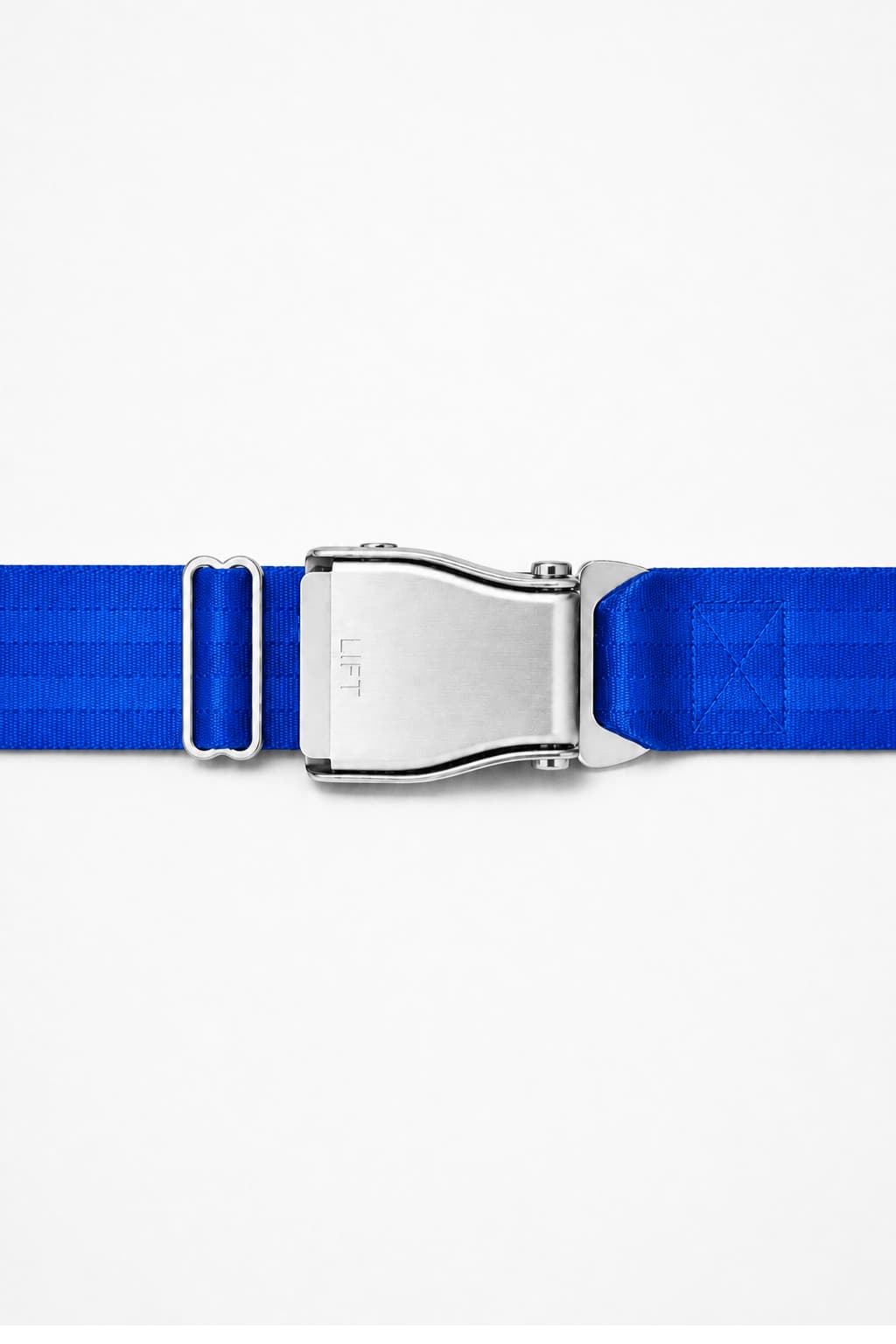
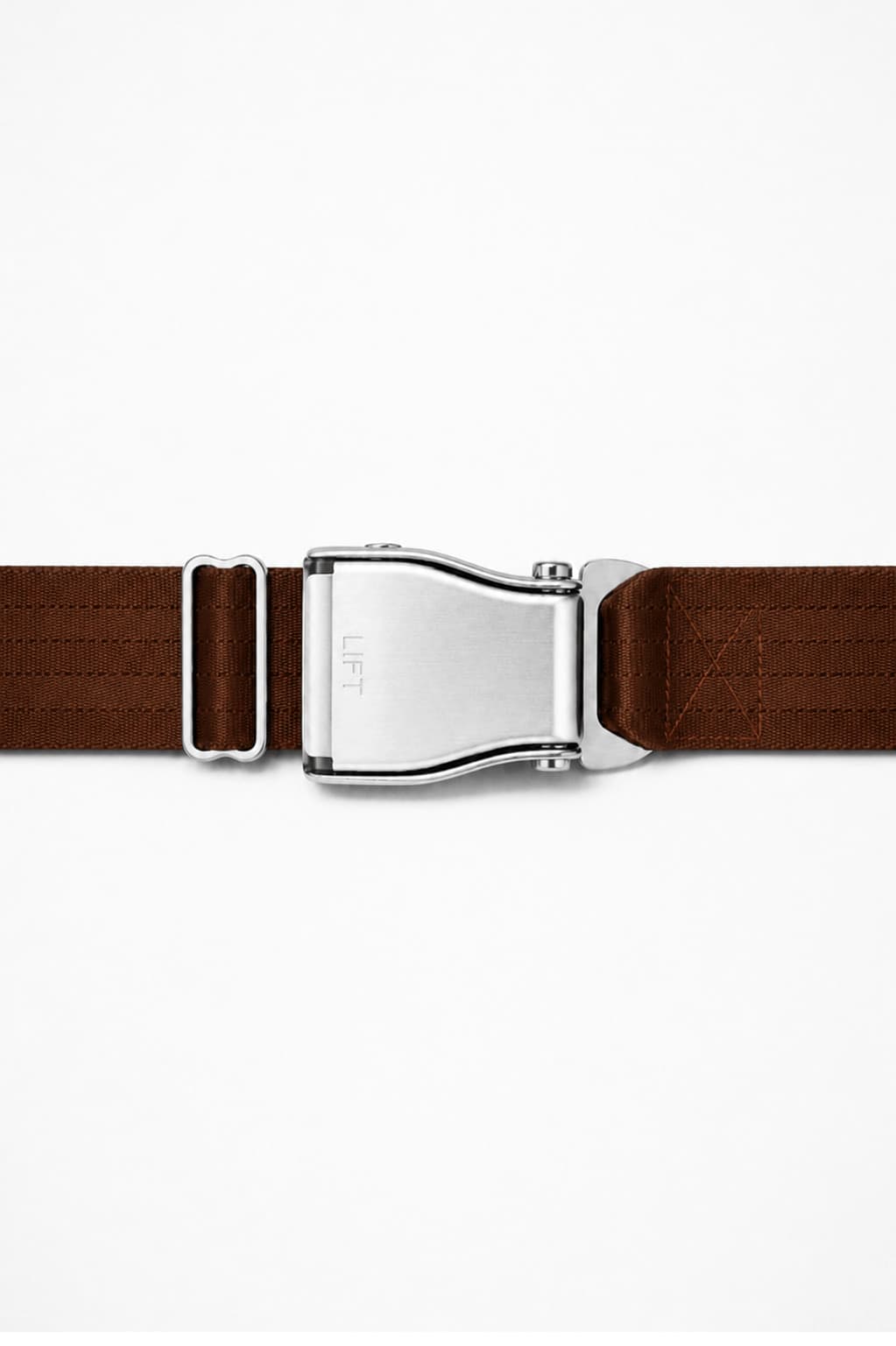
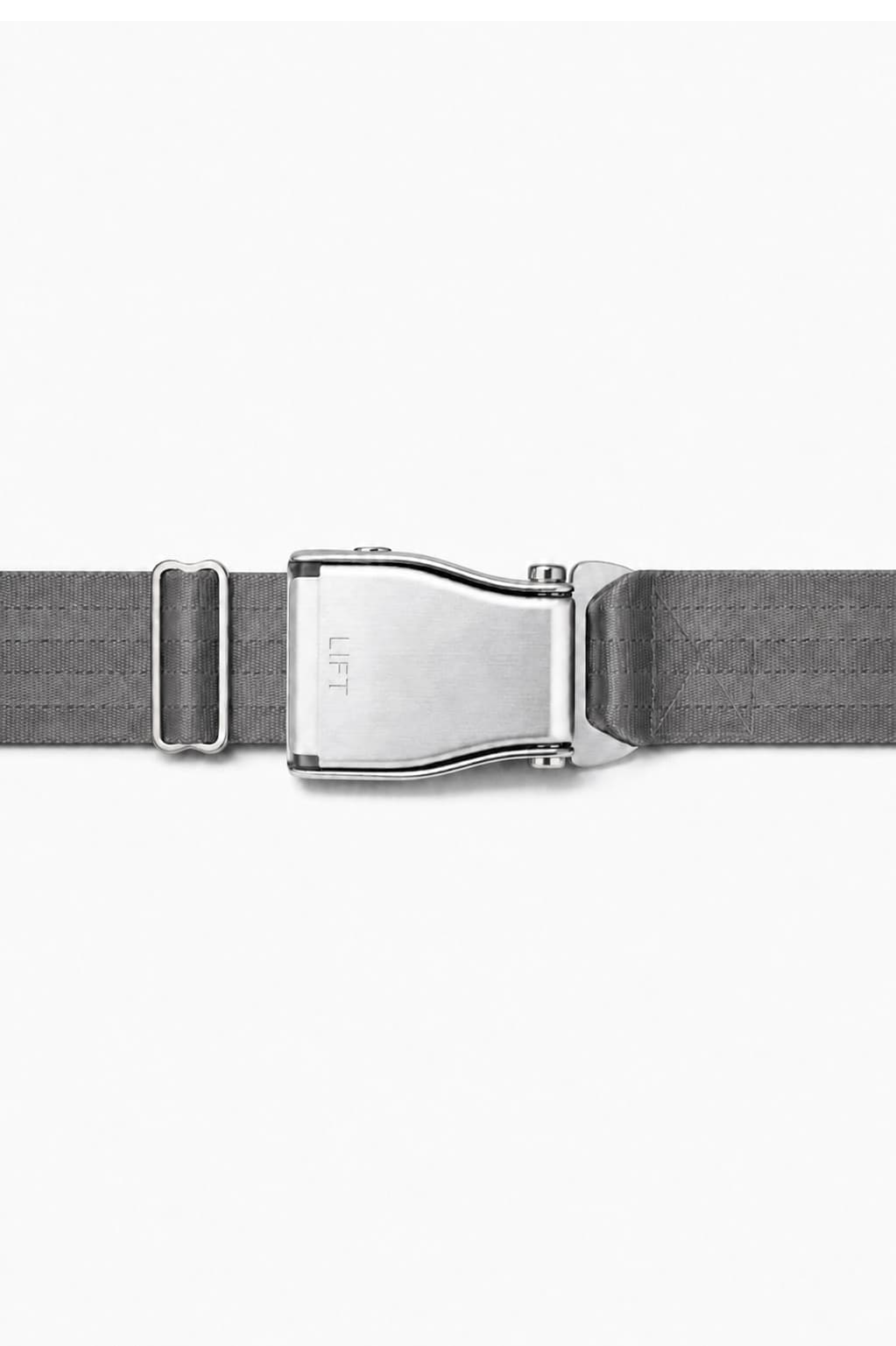
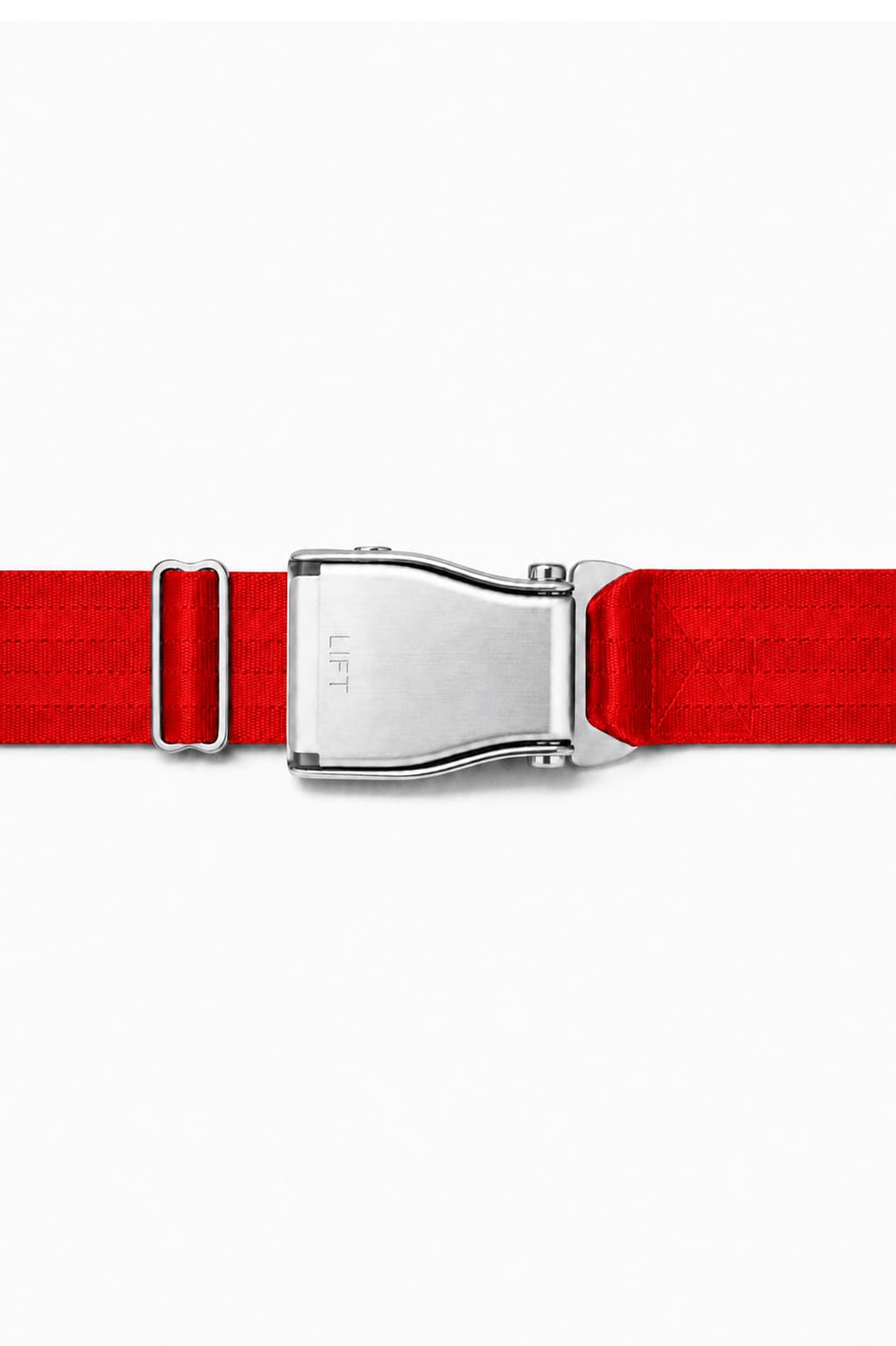
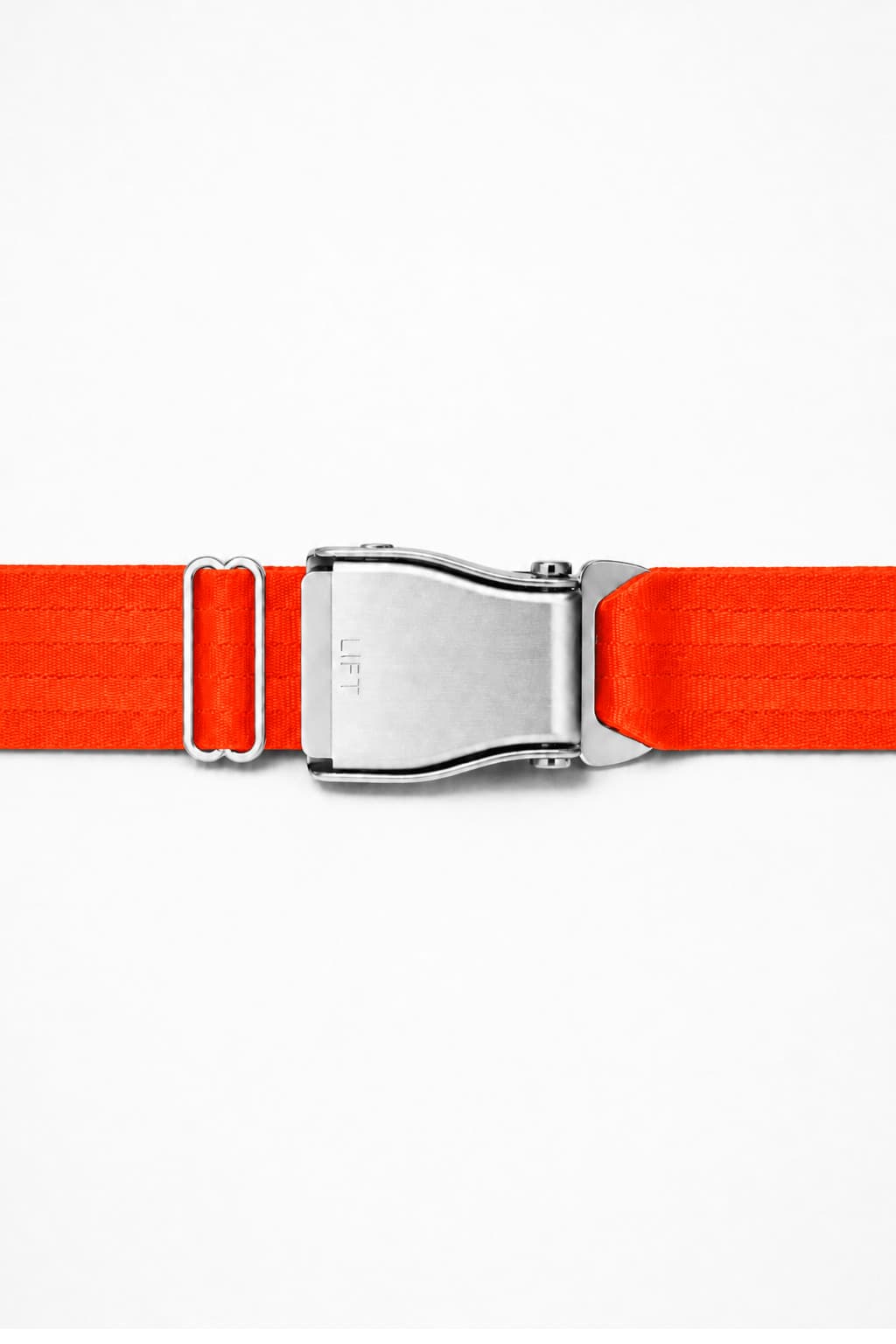
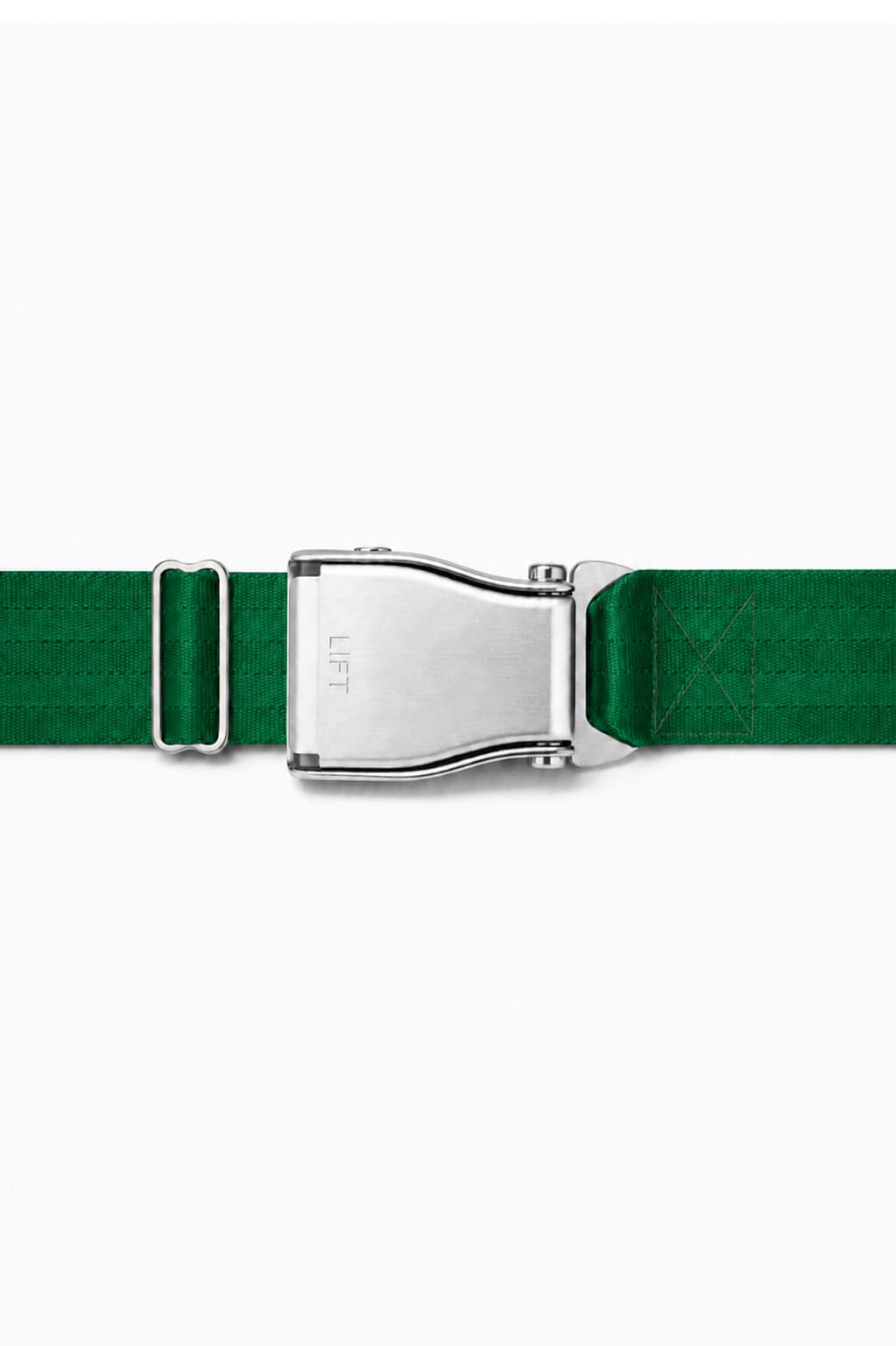
This is where we come back to what we make. A Fly-Belt is a belt whose buckle reproduces the design and the mechanism of an airliner seatbelt buckle, made to the same specifications and cast in aluminium rather than steel so it stays light enough to wear all day. The buckles are new, never taken from an aircraft, and the strap is high-resistance woven nylon. Same shape, same click, adapted to the place people actually wear a belt.
That is why it works at every step of the list above. It is small enough for a first solo and serious enough for a command upgrade. It is worn rather than displayed. It comes in eight models named after routes, POLAR, RUNWAY, TRANSATLANTIC, PACIFIC, AMAZONAS, SILK ROAD, AUSTRAL and TROPIC, and in two widths only: Authentic at 48 mm, the historic aviation format, and Slim at 38 mm, which goes through the loops of a suit. Shipping is free worldwide, which matters when the flight school is three time zones away.
| What is in the box | Price | |
|---|---|---|
| The Belt | One belt, one model, one width | 59 € |
| The Upgrade | One buckle and two interchangeable straps | 79 € |
| The First | Three complete belts, each in its own pouch | 109 € |
If you are buying for a first milestone, a single belt is the right scale. For a command upgrade or a retirement, the three-belt set is the one that gets handed over in front of other people. And if you are still unsure which occasion you are shopping for, the gift guide sorts it by recipient rather than by product.


Eight routes. Eight belts. One buckle.
The same buckle mechanism as on board, machined in aluminium, in eight colours named after the routes that made aviation.
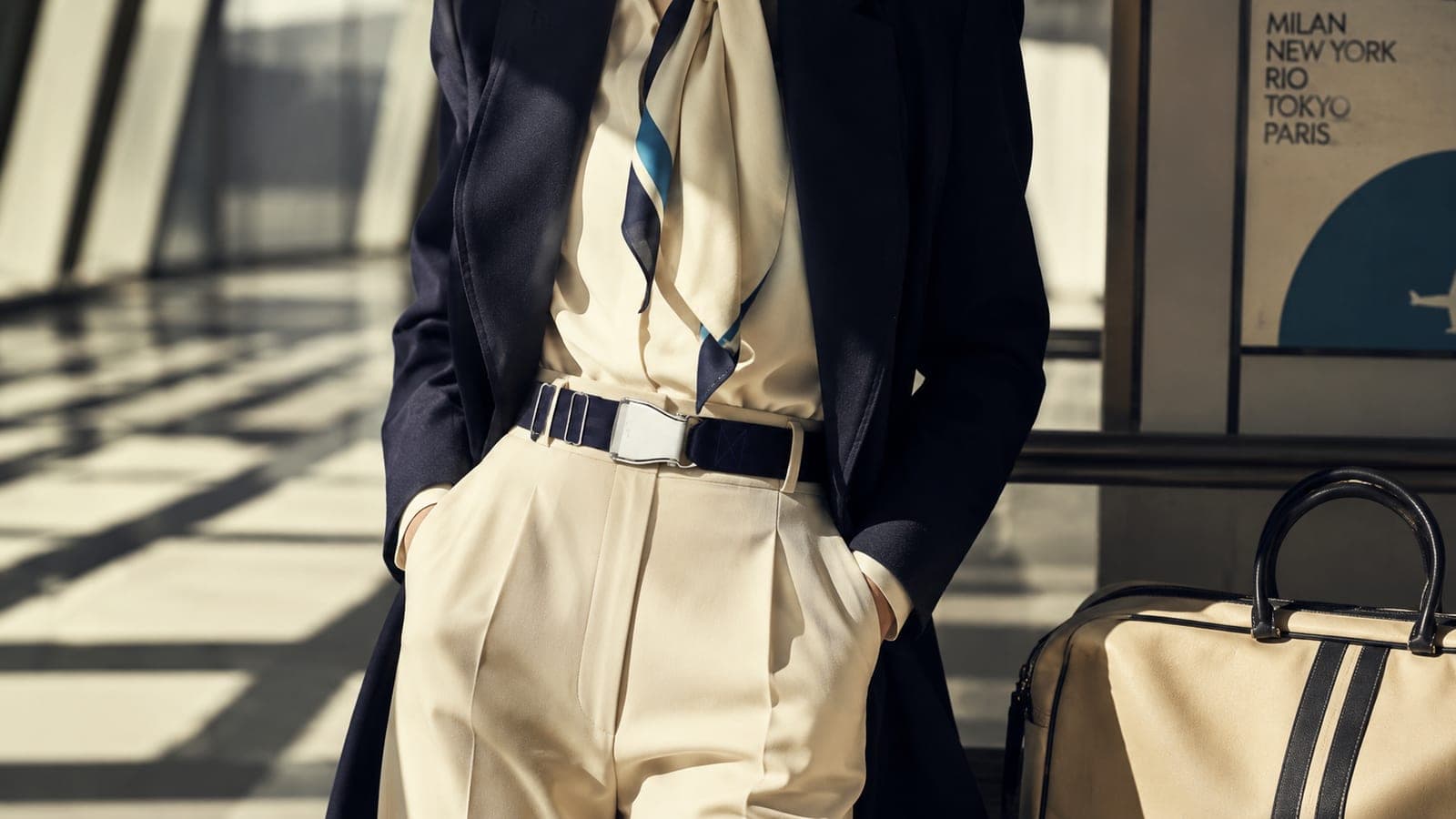
The world's longest flights, and the belt you never take off
Singapore to New York is the longest flight in service, and Qantas Project Sunrise will soon go further. Routes now measured in sunrises, not hours.
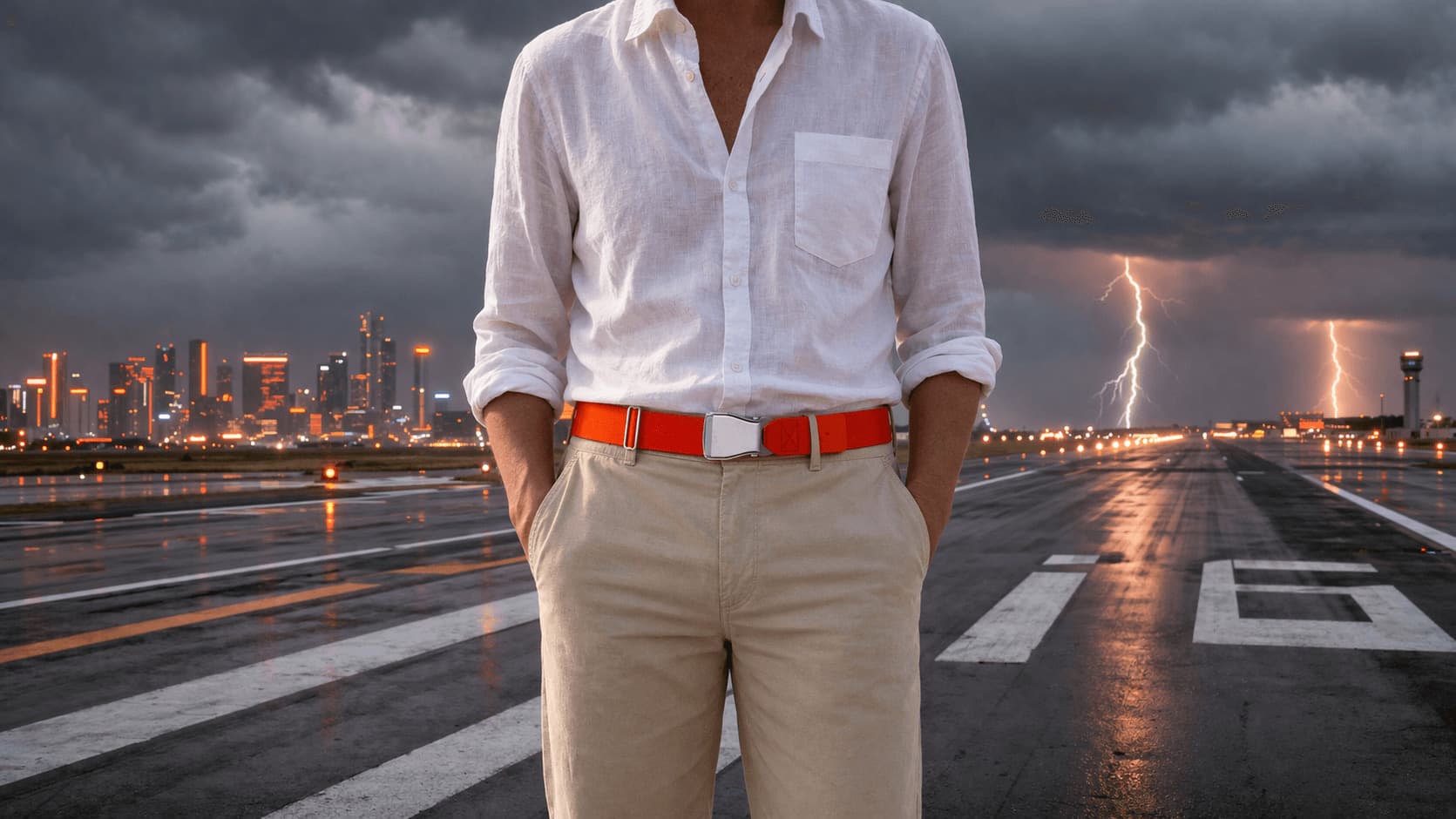
TROPIC Belt - The Tropics - The Lines That No Aircraft Lands On
Two parallels you can feel without seeing. No coastline, no mountain, no river marks them - and yet almost every long-haul flight crosses one. The story of the only border airplanes never land on.